

Your Essential Guide to a Sustainable Home: Easy & Affordable Eco-Friendly Living Tips
In an era where environmental consciousness is more critical than ever, many of us are actively seeking ways to reduce our ecological footprint. Recycling, undoubtedly, plays a pivotal role in this endeavor. While recycling facilities are essential for diverting waste from landfills, the journey towards a truly sustainable lifestyle extends far beyond simply sorting your trash. It encompasses a myriad of simple, yet impactful, choices we make within our own homes every single day. The good news? Embracing an eco-friendly approach doesn’t have to be an overwhelming or expensive undertaking. In fact, many of the most effective strategies for green living require minimal time, effort, or financial investment, often leading to significant savings in the long run.
This comprehensive guide is designed to demystify “going green” by offering practical, actionable tips that seamlessly integrate into your daily routine. Forget the notion that sustainable living demands drastic sacrifices or a complete overhaul of your lifestyle. Instead, we’ll explore how small, consistent adjustments in how you manage your home can collectively create a profound positive impact on our planet, reduce landfill waste, contribute to cleaner air, and help preserve the breathtaking natural landscapes we cherish. Get ready to transform your living space into a haven of sustainability, one simple step at a time, and discover how effortlessly you can contribute to a healthier planet for future generations.
10 Transformative Eco-Friendly Tips for a Sustainable Home
1. Optimize Energy Consumption: Turn Things Down (or Turn Them Off)
One of the most straightforward and effective ways to make your home greener and simultaneously trim your monthly utility bills is to be mindful of your energy usage. Cultivate the habit of turning off lights when you leave a room, or better yet, maximize natural sunlight by opening curtains and blinds during the day. This simple action significantly reduces reliance on artificial lighting and cuts down on electricity consumption. Similarly, ensure your dishwasher is only run when fully loaded, optimizing water and energy use. For electronics, especially computers, perform a complete shutdown at night rather than just putting them to sleep; this eliminates “phantom load” – the energy devices consume even when turned off but still plugged in.
When it comes to heating and air conditioning, seemingly minor adjustments can yield substantial savings and environmental benefits. During winter months, lowering your thermostat by just 3-4 degrees Fahrenheit (or raising it by the same amount in summer) can drastically reduce energy expenditure. Your body can adapt surprisingly well to these subtle shifts, especially if you adjust by one degree over several days. For periods when your home is unoccupied, consider programming your thermostat even further to conserve energy. Smart thermostats can automate these adjustments, learning your routine and optimizing energy use without you having to lift a finger, making climate control both efficient and effortless.
2. Embrace Efficient Lighting Solutions: Upgrade Your Light Bulbs
Replacing traditional incandescent light bulbs with energy-efficient alternatives is a crucial step towards a greener home. While compact fluorescent lamps (CFLs) were once the go-to upgrade, light-emitting diodes (LEDs) now represent the pinnacle of energy-efficient lighting technology. LEDs use approximately 75-80 percent less energy than incandescent bulbs and can last 25 times longer, sometimes upwards of 25,000 to 50,000 hours. This means fewer bulb replacements, which saves money and reduces waste. Transitioning your entire home to LEDs will result in immediate and noticeable savings on your electricity bill, while also lessening your carbon footprint. Their versatility, instant full brightness, and durability make them an ideal choice for every room in your house, contributing to a brighter, more sustainable future.
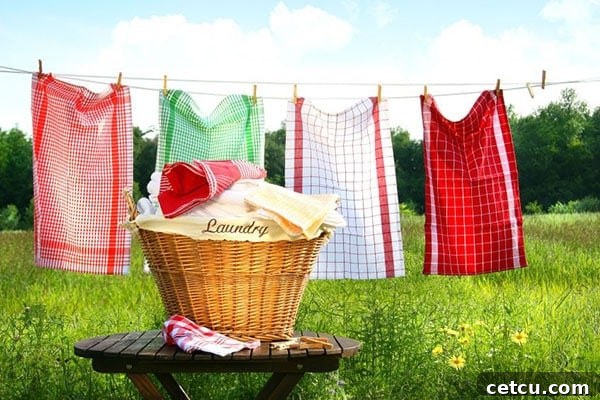 Image credit: sandralise / 123RF Stock Photo
3. Adopt Eco-Conscious Laundry Habits for a Lighter Footprint
Your laundry routine presents several opportunities for significant environmental improvements. A primary change involves washing clothes in cold water instead of hot. Heating water consumes a substantial amount of energy, so opting for cold water cycles can dramatically reduce your household’s energy demand. Modern detergents are formulated to be highly effective even in cold water, ensuring your clothes emerge just as clean. Furthermore, whenever weather permits, embrace the timeless practice of line-drying your laundry. This eliminates the energy consumption of electric dryers, which are notorious power hogs. Line-drying also extends the lifespan of your garments by reducing wear and tear from tumbling, minimizes static cling, and infuses clothes with a fresh, natural scent. If line-drying isn’t feasible, ensure your dryer is always running full loads and clean the lint trap before each use to maintain efficiency. Choosing concentrated, eco-friendly laundry detergents can further reduce chemical runoff and plastic packaging waste.
4. Minimize Paper Waste: Go Paperless with Digital Solutions
In our increasingly digital world, reducing paper consumption is an effortless way to contribute to environmental preservation. Transitioning to a paperless system for bills and statements is a fantastic starting point; sign up for e-bills and online payment options from all your service providers. This not only saves trees but also reduces the energy and resources associated with paper manufacturing and transportation. Beyond financial documents, consider digital subscriptions for newspapers and magazines, and utilize digital note-taking apps instead of physical notebooks. To further curb unsolicited mail, which often ends up directly in the trash, take advantage of services like OptOutPrescreen.com to stop receiving pre-screened credit card offers and other junk mail. Each piece of paper you prevent from being produced or sent is a win for the environment, lessening deforestation and waste accumulation.
5. Sustainable Cleaning: Choose Reusable Cloth Over Disposable Paper Products
Breaking free from the cycle of disposable paper products for cleaning and dining is a simple yet impactful step towards a greener home. Instead of paper towels, invest in a good set of microfiber cloths, which are highly absorbent, durable, and can be washed and reused hundreds of times. Alternatively, you can embrace frugality by repurposing old towels, t-shirts, or other worn-out fabric items into effective cleaning rags. This not only prevents these textiles from ending up in landfills but also provides a free, sustainable cleaning solution. Extend this habit to the dining table by replacing paper napkins with cloth napkins. Cloth napkins add an elegant touch to meals, are easily washable, and significantly reduce the waste generated from single-use paper products. Making the switch to reusable cloths is a cost-effective choice that drastically reduces your household’s waste contribution.
6. Opt for Green Cleaning Products and Eco-Friendly Lifestyle Choices
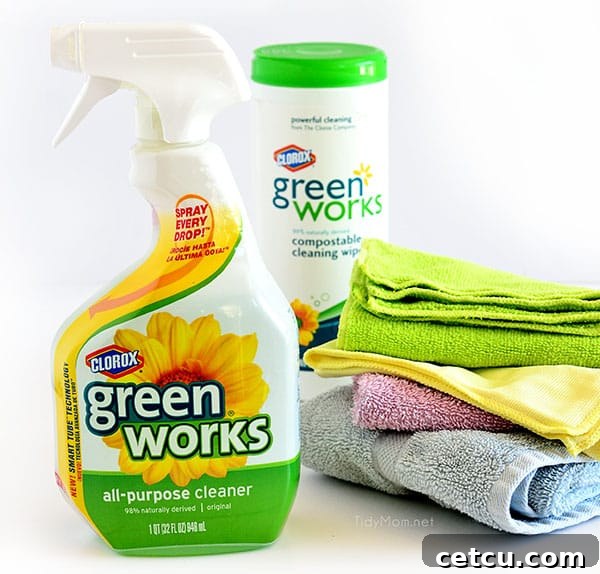
The cleaning products we use in our homes often contain harsh chemicals that can be detrimental to both our health and the environment. Making the switch to naturally derived, eco-friendly cleaning solutions is a critical step for a healthier home. Brands like Clorox Green Works®, for instance, offer a line of cleaning products with at least 95 percent naturally-derived ingredients. These products are just as effective at tackling grime and leaving surfaces sparkling clean, but without the strong chemical fumes or harsh residues that conventional cleaners can leave behind. They harness the power of nature to deliver powerful cleaning results, ensuring your counters, sinks, and entire home are fresh and hygienic. Beyond cleaning, extend this conscious consumerism to other aspects of your life. Actively seek out eco-friendly beauty products that use sustainable ingredients and packaging, explore eco-friendly fashion lines that prioritize ethical production and materials, and furnish your space with eco-friendly home decor made from recycled, renewable, or sustainably sourced materials. Every purchase is an opportunity to support more responsible industries and reduce your environmental impact.
 Image source: Martha Stewart
7. Creative Repurposing: Give Items a Second Life and Reduce Waste
Before discarding an item, consider if it can be repurposed or given a new life. Repurposing is a fantastic way to extend the utility of objects, reducing demand for new products and lessening landfill waste. For example, glass jars from food items are incredibly versatile; they can be washed and reused as stylish containers for storing leftovers, organizing bulk pantry staples like grains and spices, or even transformed into charming vases for flowers. Beyond jars, think creatively about other household items. Old furniture can be painted or reupholstered to suit a new aesthetic. Worn-out clothing can become cleaning rags, pet bedding, or be used for craft projects. Even food scraps, like vegetable peels and coffee grounds, can be repurposed into compost to enrich your garden soil. Embracing a mindset of repurposing fosters creativity and significantly reduces the amount of waste leaving your home, contributing to a more circular economy.
8. Champion the Circular Economy: Buy Used and Donate Thoughtfully
Participating in the circular economy by buying used items and responsibly donating what you no longer need is a powerful way to live more sustainably. Instead of always purchasing new, explore local thrift stores, consignment shops, or online marketplaces like Craigslist and Facebook Marketplace. You can often find perfectly usable, high-quality items—from furniture and clothing to books and electronics—at a fraction of the cost, while simultaneously giving these items a second life. This practice reduces the demand for new manufacturing, which often consumes vast amounts of resources and generates pollution. Equally important is the act of donating items you no longer need or use. Ensure your donations are clean and in good condition so they can be readily accepted and put to use by others. Donating to charities or local shelters helps those in need and keeps valuable resources out of landfills, completing the sustainable cycle of reuse.
 Image credit: mcininch / 123RF Stock Photo
9. Eliminate Single-Use Plastics: Stop Using Disposable Bags
The global plastic pollution crisis is a stark reminder of the environmental toll of disposable items. One of the simplest and most effective changes you can make is to eliminate single-use plastic bags from your life. Invest in a collection of durable, reusable shopping bags and make it a habit to bring them with you every time you go to the grocery store, mall, or any other retail outlet. Keep a few bags in your car, by your front door, or even folded in your purse or backpack so you’re always prepared. This small change prevents countless plastic bags from ending up in landfills, littering our oceans, and harming wildlife. Extend this habit beyond shopping bags: opt for reusable produce bags, bring your own reusable water bottle and coffee cup, and choose reusable containers for packed lunches and leftovers. Each time you say no to a disposable item, you’re making a conscious choice for a cleaner, healthier planet.
10. Conserve Hot Water: Wash Your Hands in Cooler Water
When it comes to handwashing, we often instinctively reach for hot water, associating it with superior hygiene. However, a recent study by Vanderbilt University, among others, has found that washing your hands in colder water offers the same hygienic benefits as hot water in removing germs and bacteria. The critical factor for effective handwashing is the mechanical action of scrubbing with soap, not the temperature of the water. This revelation presents an excellent opportunity to reduce your energy consumption. Heating water for washing hands, dishes, or showering accounts for a significant portion of household energy use. By opting for cooler water for handwashing, you can substantially reduce the energy needed to heat water, leading to noticeable savings on your utility bills and a smaller carbon footprint. Extend this water-saving mindset to other areas, such as taking shorter showers, installing low-flow showerheads and faucets, and promptly fixing any leaks.

Embrace Sustainable Living: Your Actions Make a Difference
Embarking on a journey towards a more sustainable and eco-friendly home is not about perfection, but about progress. As you can see, countless simple yet powerful actions can be integrated into your daily life to reduce your environmental impact and enhance your living space. From making conscious choices about energy and water consumption to adopting responsible purchasing and disposal habits, every step you take contributes to a healthier planet.
Many of these tips not only benefit the environment but also lead to tangible savings on your household expenses, proving that living green doesn’t have to break the bank. In fact, it often makes financial sense in the long run. By embracing these eco-friendly practices, you’re not just creating a more sustainable home for yourself and your family; you’re also setting a positive example and inspiring others to join the movement towards a greener future. We encourage you to start with a few tips that resonate most with you and gradually incorporate more as they become second nature. The collective power of individual actions is immense, and together, we can make a significant difference. What other simple, eco-friendly habits have you adopted in your home? We’d love to hear your insights and additions to this list!
You don’t have to compromise on clean to be green.

Disclaimer: I have partnered with Clorox to spread the word that you don’t have to compromise on clean to be green with Clorox Green Works program. All opinions, and views are 100% mine!