Smart Savings: Essential Back to School Money-Saving Tips for Every Family
The transition back to school marks a vibrant and exciting time of year for families everywhere. After a summer filled with adventures and relaxation, the return to classrooms brings new beginnings, fresh challenges, and the joy of learning. However, alongside the excitement, it often brings a significant financial undertaking. From new clothes and school supplies to lunchbox essentials and extracurricular activity fees, the costs can quickly add up, leaving many parents feeling overwhelmed.
Here at TidyMom, we’ve dedicated this week to helping you prepare for a successful and smooth Back to School season. We’ve explored delicious and easy lunchbox sandwich recipes perfect for busy weekdays, shared tips for capturing those precious First Day of School pictures, and today, we’re diving deep into a topic close to every parent’s heart: how to navigate the Back to School season without breaking the bank. (And don’t worry, we’ll still be sharing a fun after-school treat later tonight!)
You might think that having a high schooler and saving money is an oxymoron – a laughable contradiction, right? The demands for the latest gadgets, trendy apparel, and specific brand-name items can make it feel impossible to stick to a budget. But I’m here to tell you, it absolutely CAN be done! With a little planning, smart shopping, and open communication with your kids, you can significantly reduce your Back to School expenditures and set a positive financial example for your family.
Proven Strategies for a Frugal Back to School Season
Preparing for the new school year shouldn’t empty your wallet. By implementing a few key strategies, you can make smart financial choices that benefit both your budget and the environment. Let’s explore some proven ways to save money during the Back to School rush.
1. Master the Sales Calendar: Harnessing Tax-Free Holidays and Seasonal Discounts
One of the most effective ways to save money during the Back to School season is to time your purchases perfectly. Shopping strategically around sales events can lead to significant discounts on essential items.
- Embrace Tax-Free Holidays: Many states across the U.S. offer a dedicated “Tax-Free” holiday weekend, typically in early August. This period is a golden opportunity to save on sales tax for eligible items, which frequently include clothing, footwear, school supplies, and sometimes even computers or other educational electronics. It’s crucial to check online for the specific dates for your state’s sales tax holiday (as not all states participate, and eligibility criteria vary) and understand what specific items are included. The real magic happens when you combine these tax savings with store sales happening concurrently – effectively double the discounts!
- Beyond Just Tax Holidays: Your quest for savings shouldn’t be limited to only tax-free weekends. Keep a keen eye out for early bird sales that often begin in July, mid-season clearance events as retailers clear out summer stock, and even last-minute discounts just before school commences. Many major retailers roll out special promotions specifically for Back to School shoppers, including attractive “buy one get one free” deals, percentage-off coupons, or bundled savings on popular supply kits.
- Price Comparison is Your Best Friend: Before committing to any purchase, take a few moments to quickly compare prices across different retailers. This includes both physical brick-and-mortar stores and online platforms. Utilize price comparison websites, browser extensions, or even store apps to ensure you’re truly getting the best deal available. Sometimes, waiting just a week or two, or checking a different store, can result in an even better price as retailers intensely compete for your Back to School business.
2. Conduct a Thorough Inventory: Shop Your Home and Reduce Waste First
Before you even contemplate stepping into a store or browsing online catalogs, the most foundational and often overlooked step in saving money is to assess what you already possess. This simple, disciplined habit can prevent redundant purchases and help you craft a precise, needs-based shopping list.
- The Wardrobe Audit: Gather all your children’s current school clothes. Have them actively participate by trying everything on. Which items still fit comfortably and appropriately? Which garments are in good condition, free from excessive wear and tear? What pieces need to be replaced due to being outgrown or damaged beyond repair? Create a meticulous list of truly essential clothing items, making a clear distinction between genuine “needs” and fleeting “wants.” Emphasize that functional, comfortable school clothes don’t always need to be brand new or feature premium designer labels.
- The School Supplies Deep Dive: Go through last year’s backpacks, pencil cases, desk drawers, and any designated study areas. Do you have partially used notebooks, perfectly functional rulers, working calculators, or an ample supply of pens, pencils, and markers? There’s absolutely no need to purchase a new ruler, protractor, or even a binder every single year if the one from the previous year is still in pristine condition. Reusing existing supplies is not only incredibly budget-friendly but also a powerful lesson in environmental responsibility and reducing waste.
- Repurpose, Repair, and Reinvent: Consider if an older backpack can be given a new lease on life with a thorough cleaning or a minor repair to a zipper or strap. Can leftover art supplies from previous projects be repurposed for new assignments? Often, a small investment of your time and creativity can negate the need to buy entirely new items, saving you money and giving old favorites a second chance.
3. Invest in Reusables: Smart, Sustainable Choices for Packed Lunches
While the immediate convenience of disposable items for school lunches might be tempting, making an upfront investment in high-quality reusable alternatives offers substantial long-term financial savings and significantly contributes to environmental sustainability.
- The Eco-Friendly and Economical Solution: Instead of consistently purchasing single-use sandwich baggies, plastic wrap, foil, and brown paper lunch bags week after week, make the switch to durable, multi-use containers. Think innovative bento-style lunchboxes that compartmentalize food, insulated thermoses perfect for keeping hot meals warm or cold items chilled, and robust, leak-proof water bottles.
- Prioritize Durability and Versatility: When selecting reusable containers, look for those crafted from high-quality, food-grade materials that are BPA-free, easy to clean, and designed to withstand the rigors of daily school life. While a good set of reusable containers may represent an initial investment, this cost will be recouped many times over through the school year and potentially for several years to come, offering unparalleled value.
- Beyond Just Lunchboxes: Extend this thoughtful reusable mindset to other areas of school life. Consider investing in washable fabric snack bags instead of disposable plastic ones, or explore refillable markers and pens rather than constantly buying single-use stationery. These seemingly minor shifts collectively accumulate into significant financial savings and a substantial reduction in your family’s ecological footprint.
4. Bulk Up and Batch Cook: Fueling Healthy Habits and Saving Money
When it comes to preparing packed lunches and providing nutritious after-school snacks, those tempting pre-packaged individual servings found in grocery aisles invariably come with a premium price tag. Shifting your approach to smart bulk purchases and efficient batch preparation is a transformative strategy for your household budget and overall health.
- Strategize Your Bulk Purchases: Identify the non-perishable staples your family consumes regularly and enthusiastically – items like pasta, rice, oats, nuts, dried fruits, crackers, and healthy snack ingredients. These are prime candidates for purchase in larger quantities from warehouse clubs, bulk sections of grocery stores, or even online bulk suppliers. Before buying, ensure you have adequate, organized storage space at home and are confident your family will realistically consume the items before their expiration dates.
- Master the Art of Batch Cooking and Freezing: Designate a block of time, perhaps on a weekend, to prepare and portion out snacks and key meal components for the entire week. You could bake a large batch of nutritious muffins, assemble and freeze quesadillas, cook a big pot of chili or pasta sauce for multiple meals, or chop up fruits and vegetables for easy grabbing. This proactive approach not only saves precious time during frantic school mornings but also effectively prevents those expensive, last-minute impulse purchases of convenience foods.
- Embrace Homemade Alternatives: Many common lunchbox items, such as individual yogurt cups, fruit snacks, granola bars, and even certain baked goods, are considerably cheaper, and often much healthier, when prepared from scratch at home. Experiment with simple, family-friendly recipes to replace store-bought versions.
5. Set Clear Limits and Cultivate Financial Responsibility
Perhaps the most challenging, yet undeniably most impactful and ultimately rewarding, money-saving strategy involves establishing clear financial expectations with your children and actively nurturing their financial literacy skills from a young age.
- Distinguish Between Needs and Wants: It’s a common struggle for parents when children express an intense desire for the latest gadgets, the trendiest fashion items, or specific brand-name supplies they perceive all their friends possess. However, it’s crucial to reinforce that they don’t necessarily “need” them all. Engage in open, honest conversations about the family budget and help them understand the fundamental difference between essential school items (genuine needs for learning) and desirable but non-essential items (wants influenced by trends).
- Involve Them in the Budgeting Process: Empower your child by giving them a defined budget for their Back to School clothing or supplies. Allow them the autonomy to prioritize what items are most important to them within that financial limit. This hands-on experience teaches invaluable decision-making skills, the practical concept of trade-offs, and the reality of limited resources. If they still express a desire for something beyond the allocated budget, gently encourage them to save their own money or earn it.
- Create Opportunities to Earn: If there are specific “wants” that your children are particularly eager to acquire, facilitate opportunities for them to earn the necessary funds. This could involve taking on extra chores around the house that are outside their regular responsibilities, helping neighbors with small tasks like yard work, or engaging in other special projects that you both mutually agree upon. This approach not only instills a strong work ethic but also fosters a deeper appreciation for their purchases, as they understand the effort required to acquire them.
- Teach Delayed Gratification: Introduce the vital concept of saving for future purchases. If a highly desired item proves too expensive for the immediate Back to School budget, suggest that it could be a fantastic candidate for a future Christmas or Birthday gift. This teaches patience and long-term financial planning.
Beyond the Basics: Even More Smart Ways to Maximize Your Back to School Savings
While the five core tips provide an excellent foundation, here are additional, complementary strategies to further bolster your Back to School savings and ensure a financially stress-free start to the academic year:
- Create a Detailed and Realistic Budget: Before embarking on any shopping spree, sit down and meticulously craft a budget. List every anticipated expense – clothing, shoes, backpacks, specific school supplies, lunch items, extracurricular activity fees, and any necessary technology. Allocate a specific, realistic amount for each category and commit to sticking to these limits diligently.
- Harness the Power of Coupons and Loyalty Programs: Never underestimate the significant savings offered by coupons, whether they are digital (from apps and websites) or physical (from flyers and newspapers). Make it a habit to sign up for store loyalty programs and email newsletters; these are often gateways to exclusive discounts, personalized offers, and early alerts about upcoming sales events.
- Embrace Generic and Store Brands: For a vast array of school supplies – including notebooks, pens, basic markers, folders, and even many food items – generic or store-brand products frequently offer comparable quality to their name-brand counterparts but at a substantially lower price point. Don’t pay extra just for a label!
- Explore Second-Hand and Thrift Shopping Smartly: Second-hand stores, consignment shops, and online marketplaces (like Facebook Marketplace or local buy/sell groups) can be veritable treasure troves. You can discover gently used clothing, functional backpacks, specific textbooks, and even sports equipment in excellent condition at dramatically reduced prices.
- Buy Evergreen Items Off-Season: If you have adequate storage space, develop a habit of purchasing non-perishable, evergreen school supplies (like basic notebooks, packs of pencils, art paper, or glue sticks) when they are on deep clearance throughout the year, not just during the peak Back to School rush. This allows you to stock up at rock-bottom prices.
- Delay Non-Essential Purchases: Resist the urge to buy absolutely everything on the school supply list before the first day. Sometimes, teachers will provide a more precise and updated list of required supplies after classes have begun, preventing you from buying items that are ultimately unnecessary or duplicates.
- Strategic Online Shopping: Leverage the internet to your advantage. Use online retailers to easily compare prices across multiple stores, read customer reviews for product quality, and take full advantage of free shipping offers or convenient “click and collect” options to save both time and gas money. Additionally, explore cashback websites or apps that can give you a percentage back on your online purchases.
By adopting a strategic, informed, and proactive approach to your Back to School shopping, you can significantly reduce both financial stress and the overall burden of preparation. It’s not just about saving money; it’s about being well-prepared, making conscious consumer choices, and, most importantly, teaching your children invaluable lessons about budgeting, wise spending, and responsible consumption. A financially savvy start to the school year lays a robust groundwork for a successful, organized, and less stressful year overall.
We Want to Hear From You!
What are your personal go-to strategies and ingenious hacks for saving money during the Back to School season? Share your very best tips and clever tricks in the comments section below – your valuable insights could undoubtedly help another family navigate this bustling time with greater ease and confidence!
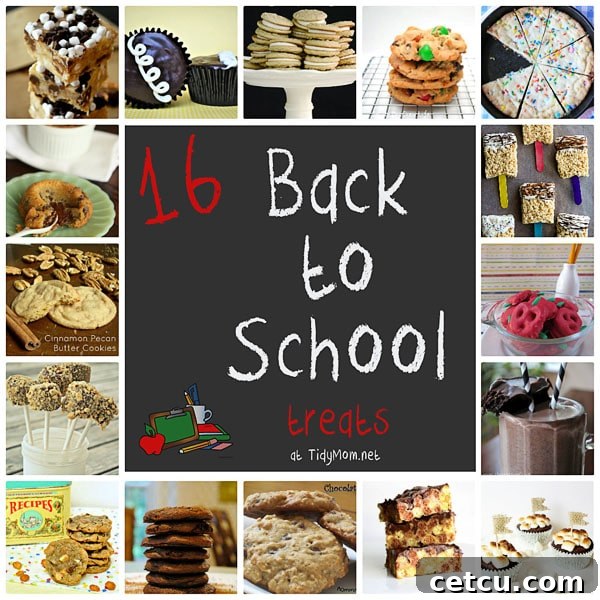
Delicious Back to School Treats to Brighten Their Day
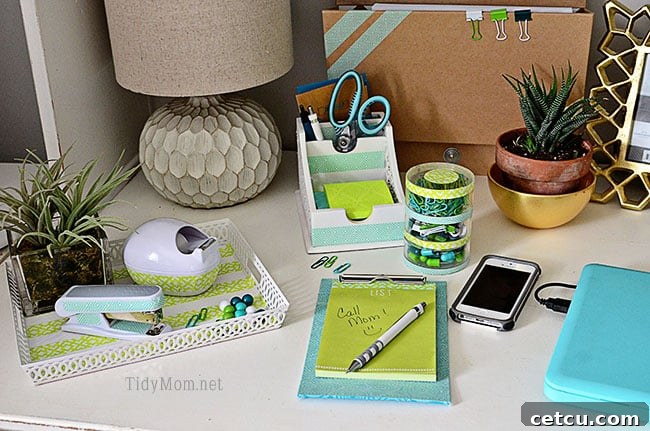
DIY Customized Desk Accessories: Personalize Their Study Space