
Breathe Easier: Essential Strategies to Create an Allergy-Friendly Home
For many, the vibrant colors of spring herald not just new beginnings but also the unwelcome onset of allergy season. While some individuals have always navigated the challenges of allergies, others, like myself, might only encounter them later in life, often through family members. In my case, after marrying Steve, I became acutely aware of the impact allergies can have on daily living. While I’ve rarely experienced more than the occasional hay fever, Steve contends with skin allergies and significant sensitivities to smells. Our eldest daughter, Heather, manages eczema, a skin condition often exacerbated by environmental allergens.
Though Steve has never undergone formal allergy testing, Heather’s eczema was diagnosed by a dermatologist in her teenage years. Over the years, through trial and error, research, and expert advice, we’ve accumulated a wealth of knowledge and implemented several practical strategies that have significantly helped both of them avoid uncomfortable breakouts and debilitating headaches. These insights have transformed our approach to home maintenance and product selection.
Today, I am delighted to share a comprehensive guide filled with actionable and simple tips designed to help you reduce allergens in your home. Whether you or someone in your family suffers from allergies, these strategies can make a profound difference in improving comfort and overall well-being.
Table of Contents
Laundry Care for Sensitive Skin
In our household, laundry habits emerged as one of the most significant contributors to allergy flare-ups. The dyes, fragrances, and residues found in conventional laundry products were directly responsible for triggering eczema breakouts, irritating rashes, and causing debilitating headaches for my husband and daughter. I must admit, I was (and still am, to a degree) a passionate lover of scents. I enjoy wearing fragrant perfumes and lotions, using scented candles to make our home feel inviting, and there’s nothing quite like the smell of truly fresh, clean laundry. However, the very elements that create these pleasant aromas — the perfumes and dyes — are precisely what cause allergic reactions in many individuals, including my loved ones.
Adapting our laundry routine has been transformative. Here are some healthy laundry habits that have significantly helped us manage skin allergies and foster a more comfortable living environment:
- Always Wash New Clothes Before Wearing: It’s a common oversight, but new garments often come infused with excess dyes, chemical fabric finishers, and other irritants from the manufacturing process. Making it a consistent habit to run new clothes through a wash cycle before their first wear can effectively remove these potential skin irritants, preventing initial reactions.
- Use the Correct Amount of Detergent: Counterintuitively, more detergent isn’t always better. Overloading your wash with too much soap can lead to excessive suds, which may not rinse completely from fabrics, leaving behind irritating residues. The American Academy of Dermatology recommends using only the manufacturer’s recommended amount of detergent to ensure optimal cleaning and thorough rinsing, thereby minimizing allergen contact.
- Opt for Liquid Laundry Products: Compared to powders, liquid detergents generally dissolve more effectively in water, especially in cooler temperatures. This thorough dissolution means they are less likely to leave behind undissolved particles or residues on your clothes, which can otherwise act as skin irritants for sensitive individuals.
- Consider Using Fabric Softener (Specifically Hypoallergenic Types): While some might view fabric softeners with skepticism regarding allergies, studies have indicated that clothes treated with certain fabric softeners can actually be beneficial for people with sensitive skin. By smoothing fabric fibers, softeners can reduce friction against the skin and minimize the ability of airborne allergens (like pollen and pet dander) to cling to clothing. However, it’s crucial to choose a hypoallergenic, dye- and fragrance-free fabric softener.
- Avoid Overloading or Underloading the Machine: Achieving the “just right” load size is key. An overloaded washing machine prevents clothes from moving freely, hindering proper cleaning and rinsing. Conversely, an underloaded machine can also result in detergent not dispersing or rinsing efficiently. Ensure your washer has adequate space for water and detergent to circulate effectively, allowing for thorough cleaning and rinsing of all items.
- Embrace the Extra Rinse Cycle: This is a simple yet incredibly effective step. Utilizing your washer’s full rinse cycle is essential to flush away detergents and potential allergens from your clothes. For those with particularly sensitive skin or severe allergies, running an extra rinse cycle provides an added layer of assurance, ensuring that virtually all detergent residue is removed, preventing direct skin contact.
- Exercise Caution When Hand-Washing Clothes: If hand-washing delicate garments, pay meticulous attention to the process. First, ensure the detergent fully dissolves in the water before introducing clothes. Second, and most importantly, rinse the items thoroughly under running water until no suds or slippery residue remains. Insufficient rinsing during hand-washing is a common cause of skin irritation.
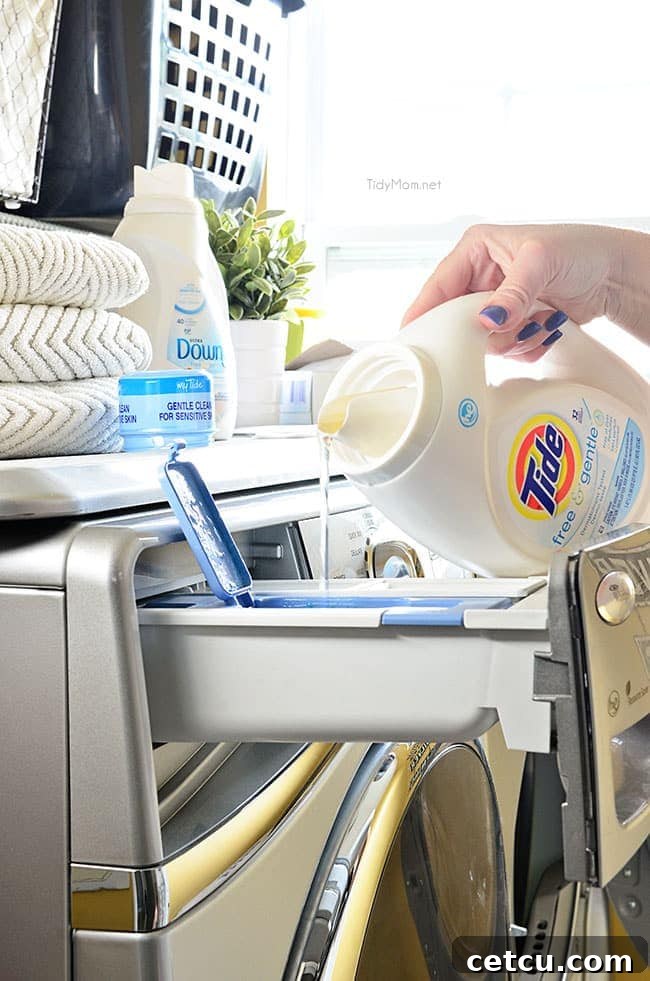
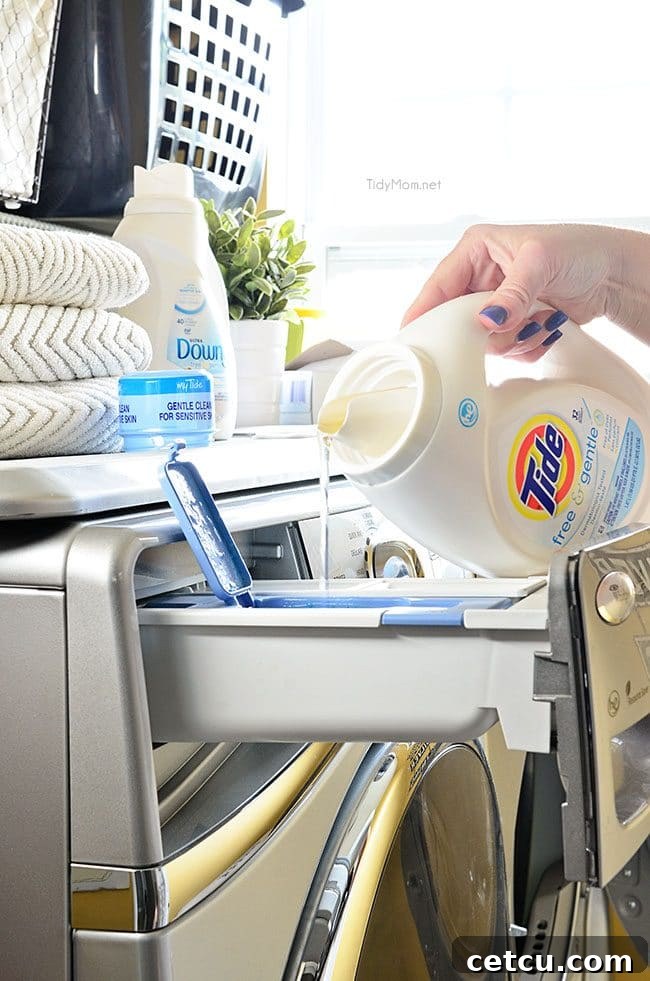
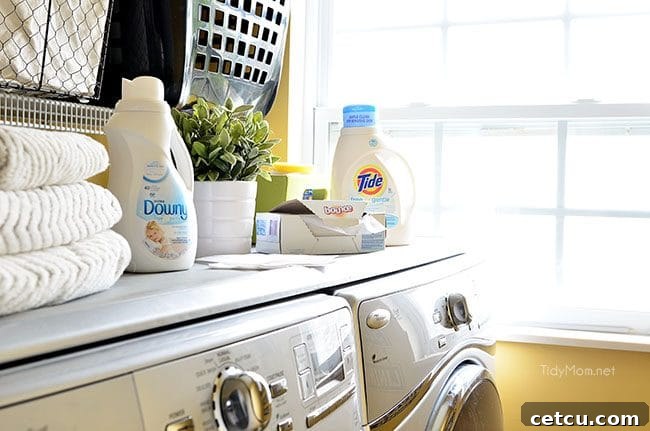
- Prioritize Laundry Products Made for Sensitive Skin: This is perhaps the most critical change we made. Products explicitly formulated for sensitive skin, such as Tide Free & Gentle, Downy Free & Gentle, and Bounce Free, are rigorously dermatologist-tested and specifically designed to be free of irritating dyes and perfumes. These hypoallergenic options provide powerful cleaning and softening without the common allergens, making them ideal for allergy sufferers.
We’ve always been loyal users of Tide, Bounce, and Downy for their superior cleaning power and softening capabilities. The introduction of their Free & Gentle line was a game-changer for our family. It delivers all the cleaning efficacy and softness we appreciate, but without the perfumes and dyes that irritate my family’s skin. Each product works wonderfully on its own, but their combined use creates a truly allergy-friendly laundry experience.
Bedding: A Haven Free from Dust Mites
Our beds, while offering comfort and rest, can also become prime breeding grounds for dust mites, a common trigger for indoor allergies and asthma. Dust mites thrive in warm, humid environments and feed on shed human skin flakes, making bedding an ideal habitat. To minimize their presence and the allergens they produce, regular and thorough cleaning of bedding is paramount.
- Wash Bedding Weekly: Aim to wash all bedding – sheets, pillowcases, and duvet covers – at least once a week. Use hot water (at least 130°F or 54°C) as this temperature is critical for killing dust mites and washing away their allergens. If hot water isn’t suitable for certain fabrics, consider using a specialized allergen-reducing detergent and an extra rinse cycle.
- Don’t Forget Blankets and Throws: It’s easy to overlook blankets used in living areas, especially those on couches where pets might snuggle. These items collect dust, pet dander, and other allergens just like your bed linens. Wash them regularly, ideally every 1-2 weeks, particularly if pets share your lounging spaces.
- Pillow Care is Crucial: Pillows accumulate dust mites, skin cells, and even mold over time. Many pillows are machine washable; check care labels. Washing pillows every 3-6 months can significantly reduce allergens. For those that aren’t washable, consider replacing them every 1-2 years.
- Utilize Allergen-Proof Covers: Invest in zippered, allergen-proof covers for mattresses and pillows. These tightly woven fabrics create a barrier that prevents dust mites and their allergens from escaping into the air and also prevents new mites from colonizing. This is a highly effective strategy for creating a protective barrier against a major source of indoor allergens.

Optimizing Indoor Air Quality
The air within our homes can harbor a surprising array of allergens and irritants, including pollen, dust mites, pet dander, mold spores, and even volatile organic compounds (VOCs). Actively managing indoor air quality is essential for allergy sufferers. By controlling humidity, filtering air, and ensuring proper ventilation, you can significantly reduce the concentration of these triggers.
- Control Humidity Levels: Dust mites and mold thrive in humid environments. Aim to keep your indoor humidity levels below 50%, ideally between 30% and 50%. Using a dehumidifier in damp areas like basements, bathrooms, and laundry rooms can be highly effective. Your air conditioner also serves as a dehumidifier, so running it can help maintain optimal levels, especially during warmer months.
- Invest in High-Efficiency Air Filters: Your home’s HVAC system is a powerful tool for air purification. Replace standard furnace filters with high-efficiency particulate air (HEPA) filters, or at least filters with a high MERV (Minimum Efficiency Reporting Value) rating (11-13). These filters can capture a significant percentage of airborne particles, including pollen, dust, and pet dander, before they circulate throughout your home. Remember to change them every 1-3 months, depending on usage and pet ownership.
- Utilize Standalone Air Purifiers with HEPA Filters: For targeted air cleaning in specific rooms, such as bedrooms or living areas, consider using a portable air purifier equipped with a true HEPA filter. These devices effectively remove fine particulate matter, pollen, pet dander, mold spores, and even some bacteria and viruses from the air, drastically reducing overall allergen load. Ensure the purifier is sized appropriately for the room.
- Enhance Ventilation: Proper ventilation helps remove indoor pollutants and excess moisture. Always use the exhaust fan in your bathroom when showering or bathing, and leave it running for at least 15-20 minutes afterward to draw out moisture and prevent mold growth. Similarly, use your kitchen exhaust fan when cooking to remove steam, cooking odors, and combustion byproducts.
- Be Mindful of Open Windows: While fresh air is good, during high pollen seasons, opening windows can actually invite more allergens indoors. During these times, rely on your air conditioning and air purifiers to maintain clean indoor air. If you do open windows, do so during times when pollen counts are typically lower (e.g., late afternoon or after rain).
Effective Dusting & Vacuuming Techniques
Dust is a complex mixture of pet dander, dust mite allergens, pollen, mold spores, and tiny fabric fibers, all of which can trigger allergic reactions. Regular and effective dusting and vacuuming are fundamental to controlling these indoor allergens. The order and method matter significantly.
- Dust Before You Vacuum: Always dust surfaces before vacuuming. This ensures that any dust dislodged during dusting settles onto the floor, where it can then be effectively removed by the vacuum cleaner. If you vacuum first, you risk dust from surfaces settling onto your freshly vacuumed carpets or floors.
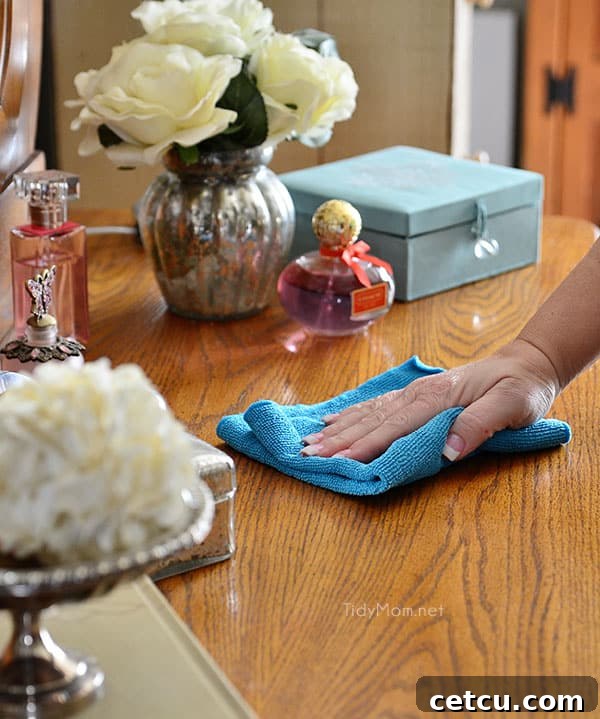
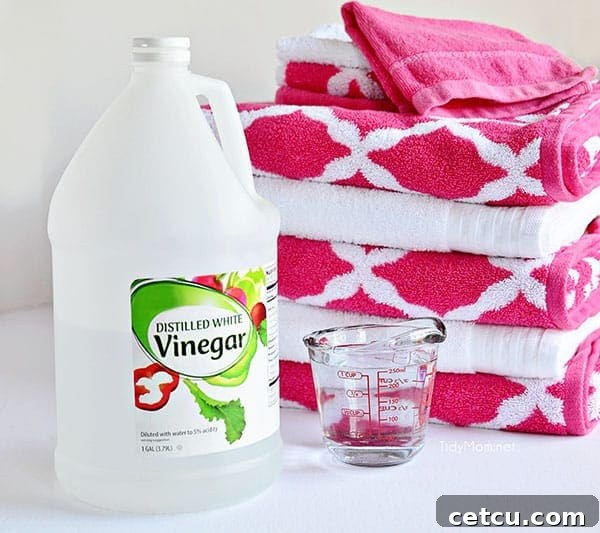
- Use Microfiber Cloths for Dusting: Dry dusting with a feather duster or dry cloth often just moves dust around, redistributing allergens into the air. Instead, use a damp microfiber cloth or a cloth lightly misted with water or a vinegar-water solution. Microfiber’s unique fibers are designed to trap and hold dust, preventing it from becoming airborne. Dust all hard surfaces, including furniture, shelves, electronics, blinds, and ceiling fan blades.
- Don’t Forget Soft Surfaces: Upholstered furniture, curtains, and even mattresses can accumulate significant amounts of dust and allergens. Regularly vacuum upholstered items using an upholstery attachment. For mattresses and sofas, consider using a fabric refresher that helps neutralize allergens every few days, or better yet, vacuum them directly.
- Invest in a Quality Vacuum with a HEPA Filter: A standard vacuum can often release fine dust particles and allergens back into the air. For allergy sufferers, a vacuum cleaner with a sealed system and a true HEPA filter is indispensable. A sealed system ensures that all air entering the vacuum is filtered before being expelled, preventing allergens from leaking back into your home. Dyson vacuums, for instance, are highly regarded for their sealed systems and effective allergen control, making them a worthwhile investment despite their higher cost.
- Vacuum Regularly and Thoroughly: Aim to vacuum carpets and rugs at least once or twice a week, and more frequently in high-traffic areas or homes with pets. For hard floors, vacuuming is preferable to sweeping, as sweeping can kick up dust. When vacuuming, go slowly and make multiple passes over the same area to ensure maximum particulate removal.
- Address Underneath Furniture and Beds: Dust and allergens love to accumulate in hidden spots. At least twice a year, pull out beds, sofas, and other large furniture items to thoroughly vacuum the floor underneath. This deep cleaning prevents the buildup of old dust mite colonies and other hidden allergens.
For more expert dusting tips, click here.
Proactive Mold and Mildew Control
Mold and mildew are not only unsightly and damaging to surfaces, but their spores are potent allergens and can exacerbate respiratory issues like asthma. They thrive in damp, dark, and poorly ventilated areas. Controlling moisture is the ultimate key to preventing their growth.
- Clean Bathrooms and Showers Frequently: Bathrooms are prime locations for mold and mildew due to constant moisture. Clean the bath, shower, sink, and toilet often. In addition to regular deep cleanings, using a daily shower spray can help inhibit mold and mildew growth between scrub-downs, keeping surfaces cleaner and drier. Pay attention to grout lines and shower curtains, which are notorious for harboring mold.
- Ensure Proper Ventilation in Moist Areas: As mentioned, always use exhaust fans during and after showers and baths. If your bathroom lacks an exhaust fan, consider installing one or at least opening a window during and after use to allow moisture to escape. Similarly, ensure good ventilation in laundry rooms, basements, and kitchens where moisture levels can rise.
- Immediately Dry Wet Clothes and Towels: Never leave damp clothes or towels crumpled in a hamper or on the floor. This creates a perfect breeding ground for mold and mildew, leading to unpleasant sour odors and the spread of spores. Hang wet items immediately to dry fully. If you encounter towels with a persistent mildew smell, there are effective ways to eliminate it. Read my tips on how to remove mildew from towels and neutralize odors.
- Inspect for Leaks and Water Damage: Regularly check for leaks under sinks, around toilets, and near appliances. Even small, hidden leaks can create ideal conditions for mold growth behind walls or under flooring. Address any water damage promptly and thoroughly dry affected areas within 24-48 hours to prevent mold from taking hold.
- Maintain Gutters and Downspouts: Ensure your home’s exterior drainage system is functioning properly to direct water away from your foundation. Clogged gutters can lead to water pooling around your home, potentially seeping into basements or crawl spaces and creating indoor moisture problems.
Maintaining a Pest-Free Environment
While many people primarily associate allergy and asthma triggers with pollen, dust, animal dander, or stinging insects, household pests are surprisingly significant offenders. One of the most common and potent sources of indoor allergens comes from cockroaches. Cockroach allergens, found in their feces, saliva, and shed body parts, can become airborne and trigger severe allergic reactions and asthma attacks in sensitive individuals, particularly children.
- Eliminate Food and Water Sources: Cockroaches are constantly searching for food and moisture. Keep your kitchen meticulously clean: wipe up crumbs, clean spills immediately, and store all food in airtight containers. Don’t leave pet food out overnight. Address any leaky faucets or pipes, as even a small drip can provide the water source pests need to survive. Regularly empty trash cans and ensure they have tight-fitting lids.
- Seal Entry Points: Pests can enter your home through tiny cracks and crevices. Inspect your home’s foundation, walls, windows, and doors for gaps. Seal any openings with caulk, weatherstripping, or door sweeps. This not only keeps pests out but also helps with energy efficiency.
- Reduce Clutter: Clutter provides excellent hiding spots for pests. Keep areas like basements, attics, and storage closets organized and free of excess cardboard boxes, old newspapers, or bags.
- Address Other Pest Allergens: While cockroaches are a major concern, remember that rodents (mice, rats) also contribute allergens through their droppings and urine. Even dust mites, though microscopic, are technically pests whose presence is exacerbated by certain conditions.
- Seek Professional Pest Control: If you suspect a pest infestation, especially of cockroaches or rodents, professional help is crucial. These pests reproduce rapidly, and what appears to be one visible roach can often indicate a population of hundreds hiding within your walls. My husband’s pest control company has been invaluable in this regard, but if professional services are needed, do not hesitate. Early intervention can prevent a small problem from becoming a significant health hazard.
Conclusion
Managing allergies effectively often begins right at home. By implementing these comprehensive strategies across laundry, bedding, air quality, cleaning routines, and pest control, you can significantly reduce the allergen load in your living environment. These simple yet powerful changes can lead to fewer allergic reactions, clearer breathing, and a noticeable improvement in the quality of life for everyone in your household, especially those sensitive to environmental triggers. Creating an allergy-friendly home is an ongoing process, but with consistent effort, you can turn your home into a sanctuary of comfort and health.
What are your go-to methods for reducing allergens in your home? Share your tips in the comments below!

Disclaimer: I have a working relationship with P&G. I have used and loved Tide, Downy, and Bounce for years and was thrilled to partner with them to discuss my family’s allergies and their Free & Gentle line of laundry products. As always, all views and opinions expressed here are entirely my own.