
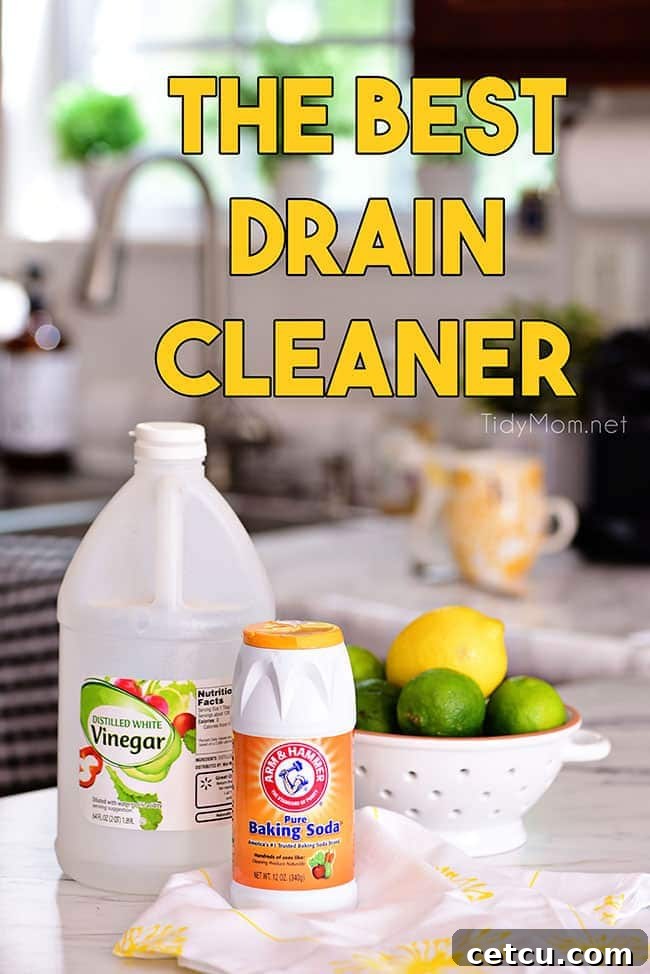
Clogged drains are more than just a minor inconvenience; they can be a source of frustration, foul odors, and even costly plumbing bills. Many homeowners instinctively reach for harsh chemical drain cleaners, unaware of the potential damage they can inflict on pipes, the environment, and even their own health. What if there was a simple, effective, and completely natural solution already hiding in your kitchen pantry? Say goodbye to caustic chemicals and expensive plumber visits, and welcome the power of a homemade drain cleaner made from two common household ingredients: baking soda and vinegar. This eco-friendly, budget-conscious approach will not only clear stubborn clogs but also help maintain fresh, free-flowing pipes, ensuring your home remains a harmonious and hygienic space.
Indeed, a clear drainage system is often linked to the smooth flow of energy and prosperity in various philosophies, including some interpretations of Feng Shui, which suggest that blockages can impede financial flow, health, and general well-being. Whether you subscribe to such beliefs or simply value a functional home, the practical benefits of keeping your drains clear are undeniable. A slow or completely blocked drain can lead to overflowing sinks, unpleasant smells, and even potential water damage, transforming a peaceful home environment into a stressful one. Fortunately, preventing and resolving these issues doesn’t require complex tools or dangerous substances. With a natural homemade drain cleaner, you’re equipped to tackle most drain problems head-on, effectively and affordably.

Your Pantry’s Secret Weapon: The Ultimate Natural Homemade Drain Cleaner
Achieving a smoothly running household, both literally in terms of plumbing and metaphorically in terms of peace of mind, often begins with simple, sustainable practices. Before resorting to commercial products laden with chemicals or the costly intervention of a professional plumber, take a moment to explore the natural solutions readily available in your kitchen pantry. Baking soda and vinegar, two humble yet mighty ingredients, form the foundation of an incredibly effective drain cleaner that causes no harm to your pipes, your family’s health, or the environment. This powerful duo can tackle everything from minor clogs to persistent odors, all while being incredibly gentle on your budget.
The Science Behind the Fizz: How Baking Soda and Vinegar Unclog Drains Naturally
Understanding why baking soda and vinegar are so effective can demystify the process and instill confidence in this natural remedy. Baking soda (sodium bicarbonate) is an alkali, and vinegar (acetic acid) is an acid. When these two compounds meet, they create a chemical reaction that produces carbon dioxide gas. This vigorous bubbling and foaming action isn’t just for show; it’s what physically helps break down and dislodge the stubborn debris clinging to your pipes. The pressure from the expanding gas, combined with the mild abrasive and dissolving properties of the baking soda and vinegar, works to push through blockages like grease, soap scum, and hair, making it an ideal natural drain cleaner.
Moreover, baking soda is a natural deodorizer, excellent at neutralizing unpleasant smells that often accompany clogged or slow drains. Vinegar, with its acidic nature, is fantastic at cutting through grease and soap residue, and also possesses mild antimicrobial properties. Together, they form a formidable team, offering a safe and efficient alternative to corrosive chemical cleaners that can damage pipes, release toxic fumes, and pollute waterways. Opting for this homemade solution means choosing a method that’s better for your plumbing, your health, and the planet.
Step-by-Step Guide: How to Unclog a Drain with Baking Soda and Vinegar
This method is surprisingly simple, yet incredibly powerful for tackling most common drain blockages. For optimal results, ensure you have distilled white vinegar and fresh baking soda on hand. Always exercise caution, even with natural ingredients, and consider wearing gloves if you have sensitive skin. This process is best performed when the sink or drain will not be used for at least 30 minutes, giving the ingredients ample time to work their magic.
- Prepare the Drain and Add Baking Soda (3/4 to 1 cup): First, remove any standing water from the sink or tub. For minor clogs, pouring a kettle of hot water down the drain can help loosen some debris. Next, carefully pour 3/4 to 1 cup of baking soda directly into the drain opening. Ensure as much of the baking soda as possible goes down the pipe, rather than resting in the basin. The baking soda acts as a base and a mild abrasive, preparing the clog for the acidic vinegar.
- Add Vinegar and Cover Immediately (1/2 cup): Immediately after pouring the baking soda, follow it with 1/2 cup of distilled white vinegar. The moment the vinegar hits the baking soda, a vigorous fizzing reaction will begin. It’s crucial to cover the drain opening instantly – you can use a sink stopper, a heavy plate, or even a wet cloth. Covering the drain helps contain the carbon dioxide gas produced by the reaction, directing the pressure downwards into the pipe where it can effectively push and break apart the clog.
- Allow the Solution to Work (Approx. 30 minutes): Let the baking soda and vinegar mixture sit undisturbed in the drain for at least 30 minutes. During this time, the chemical reaction continues to break down grease, soap scum, and other organic matter. You might hear bubbling sounds from within the pipe, which indicates the solution is actively working. Avoid using the sink or flushing any water during this period to maximize the effectiveness of the treatment.
- Rinse with Hot Water (2-3 minutes): After 30 minutes, remove the drain cover. Slowly and steadily, run hot tap water down the drain for approximately 2 to 3 minutes. The hot water helps to flush away any remaining loosened debris and residue, carrying it completely out of your plumbing system. For an even more intense flush, you can boil a kettle of water and carefully pour it down the drain (be cautious with PVC pipes, as excessively boiling water can soften them over time; very hot tap water is usually sufficient and safer).
- Repeat for Stubborn Clogs & Regular Maintenance: For particularly tough or persistent clogs, you may need to repeat the entire process. Sometimes, a second or third application can successfully dislodge stubborn blockages that resisted the initial treatment. However, the true power of this natural drain cleaner lies in its preventative use. Incorporating this baking soda and vinegar treatment into your monthly cleaning routine can prevent clogs from forming in the first place, keeping your drains clear, fresh, and flowing without any major issues. Regular maintenance saves you time, money, and hassle in the long run.
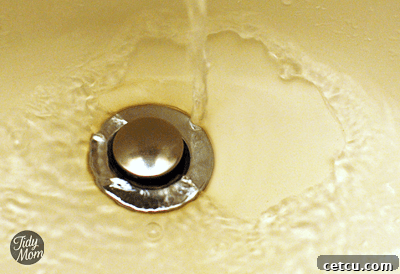
Beyond Clogs: Keeping Drains Fresh and Odor-Free Naturally
While clearing clogs is paramount, maintaining fresh and odor-free drains is equally important for a pleasant home environment. Unused or seldom-used drains, such as those in guest bathrooms or utility sinks, are particularly prone to developing stale, musty smells due to stagnant water and accumulated organic matter. Fortunately, the same natural ingredients that tackle clogs can also effectively neutralize odors and keep your pipes smelling clean. This preventative freshening method is simple, quick, and ideal for regular maintenance, ensuring every drain in your home contributes to a fresh atmosphere.
Simple Steps to Freshen Drains with Baking Soda, Salt, and Vinegar
This variation of the natural drain cleaner not only deodorizes but also provides an extra scouring action, thanks to the addition of table salt. It’s especially beneficial for drains that might not be fully clogged but emit a slight odor or are slow to drain.
- Combine Baking Soda and Salt (1/2 cup baking soda, 1/4 cup salt): In a small bowl, mix 1/2 cup of baking soda with 1/4 cup of regular table salt. The salt acts as an abrasive, helping to scrub away grime and sticky residue from the pipe walls as the solution works its way down. Pour this mixture carefully down the drain opening, ensuring it goes directly into the pipe.
- Follow with Heated Vinegar (1 cup): Next, heat 1 cup of white vinegar until it’s very warm, but not boiling. You can do this in a microwave or on the stovetop. Carefully pour the heated vinegar down the drain on top of the baking soda and salt mixture. The warmth of the vinegar accelerates the chemical reaction, leading to more vigorous foaming and bubbling, which enhances its ability to cut through grease and dislodge odorous particles. You will observe the characteristic fizzing and foaming as the reaction begins.
- Allow it to Sit (15 minutes): Let the mixture sit and work its magic for about 15 minutes. During this time, the bubbling action, combined with the abrasive salt and the grease-cutting power of the warm vinegar, will break down odor-causing bacteria and light grime. This shorter waiting period is usually sufficient for freshening and light cleaning.
- Rinse with Hot Tap Water (30-60 seconds): After 15 minutes, run hot tap water down the drain for 30 to 60 seconds. This final rinse will flush away any remaining solution and loosened debris, leaving your drain fresh and clear. For best results and to prevent odors from returning, consider doing this every two weeks or whenever you notice a slight smell.
Why Choose Natural: The Profound Benefits of Eco-Friendly Drain Cleaning
Baking soda and vinegar are truly the cornerstones of effective, DIY natural cleaning. The simplicity and affordability of these methods are remarkable. For mere pennies, you can maintain pristine, fume-free drains and a healthier home environment, entirely eliminating the need for harsh chemical drain cleaners or costly calls to a professional plumber. The benefits extend far beyond just cost savings, impacting your health, your home, and the planet.
Commercial drain cleaners often contain highly corrosive substances like lye (sodium hydroxide) or sulfuric acid. While these chemicals might clear a clog quickly, they pose significant risks. They can erode certain types of pipes over time, leading to leaks and more expensive repairs. Their fumes are toxic and can cause respiratory issues, eye irritation, and even chemical burns upon skin contact. Furthermore, once these chemicals are flushed down your drain, they enter the wastewater system, potentially harming aquatic life and disrupting water treatment processes. Choosing baking soda and vinegar means avoiding all these dangers, opting instead for a biodegradable solution that is safe for your plumbing and the environment.
Embracing natural cleaning practices like this empowers you to take control of your home’s maintenance in a sustainable way. It reduces your exposure to harmful toxins, promotes better indoor air quality, and contributes to a smaller ecological footprint. This is just one of countless ways to save money and enhance your well-being by incorporating readily available, natural ingredients into your household cleaning routine. Look for sales on bulk baking soda and large containers of white vinegar to maximize your savings, making these essential cleaning staples even more economical.
Prevention is Key: Maintaining Clear Drains Long-Term
While baking soda and vinegar are excellent for clearing and freshening drains, the best approach to drain maintenance is prevention. By implementing a few simple habits, you can significantly reduce the likelihood of clogs and the need for frequent deep cleaning. Start by being mindful of what goes down your drains:
- Use Drain Screens: Install drain screens or hair catchers in all your sinks, showers, and bathtubs. These inexpensive tools are incredibly effective at trapping hair, soap scum, and food particles before they can enter your pipes and cause blockages.
- Avoid Pouring Grease: Never pour cooking grease or oil down the drain. As it cools, grease solidifies and sticks to pipe walls, accumulating over time to form stubborn clogs. Instead, let grease cool and solidify in a container, then dispose of it in the trash.
- Scrape Plates Thoroughly: Before washing dishes, scrape food scraps into the compost or trash. While garbage disposals are helpful, they are not designed to handle large quantities of food waste, coffee grounds, or fibrous materials which can contribute to clogs.
- Regular Hot Water Flush: After each use, especially in kitchen sinks, run hot water for 30 seconds to a minute. This helps to flush down any lingering debris and keep pipes clear.
- Monthly Maintenance Ritual: Make the baking soda and vinegar drain freshening treatment a monthly habit. This proactive approach will prevent buildup and keep your pipes in optimal condition, minimizing the chances of any major clogs developing.
By integrating these preventative measures with the powerful cleaning action of baking soda and vinegar, you can ensure your home’s plumbing system remains efficient, odor-free, and trouble-free for years to come. It’s a holistic approach to home care that champions sustainability, health, and practicality.
Effortless Bathroom Cleaning: Your 5-Minute Daily Guide
DIY Homemade Miracle Cleaner: Your Ultimate Stain Remover
Expert Guide: How to Clean Upholstered Furniture Effectively

Maintain a Sparkling Kitchen: How to Clean a Dishwasher
Laundry Solutions: How to Effectively Remove Mildew Smell from Towels
CLICK HERE FOR MORE EXPERT TIPS FOR A SPOTLESS & ORGANIZED HOME

Disclosure: This article promotes the benefits of using common household ingredients like baking soda and vinegar for effective, natural drain cleaning. While the original content was part of a sponsored campaign, the author independently vouches for the efficacy and personal long-term use of baking soda and vinegar as a preferred method for drain maintenance.