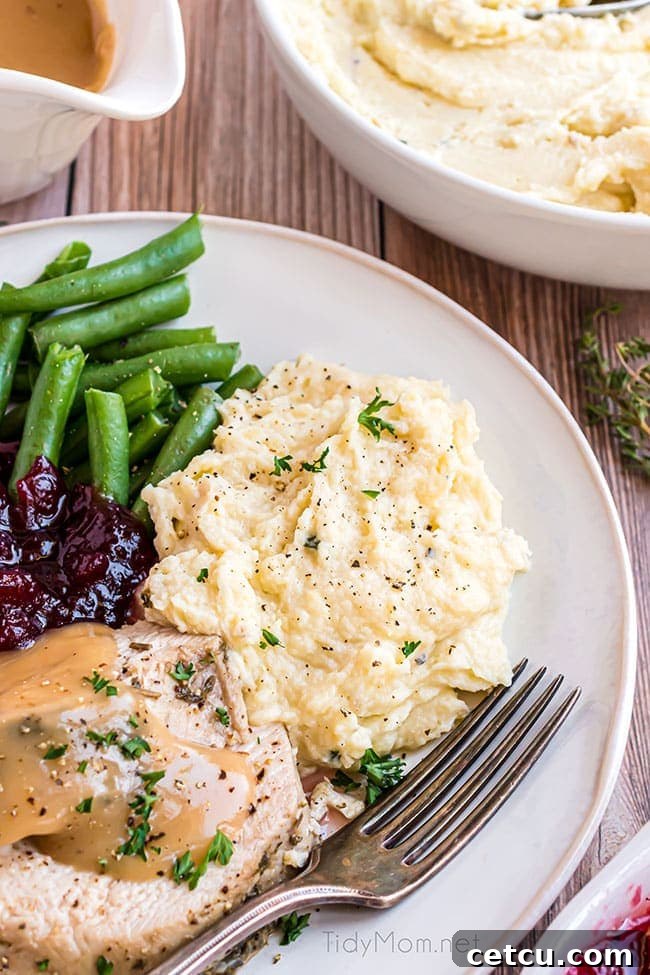
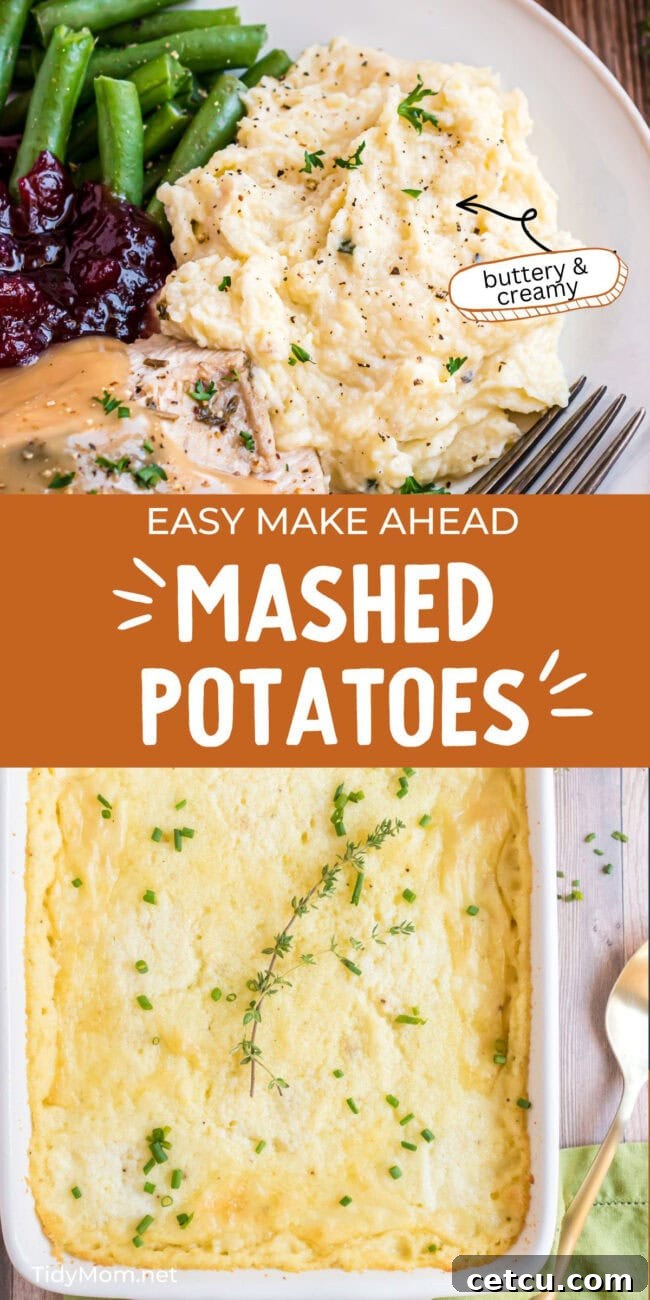
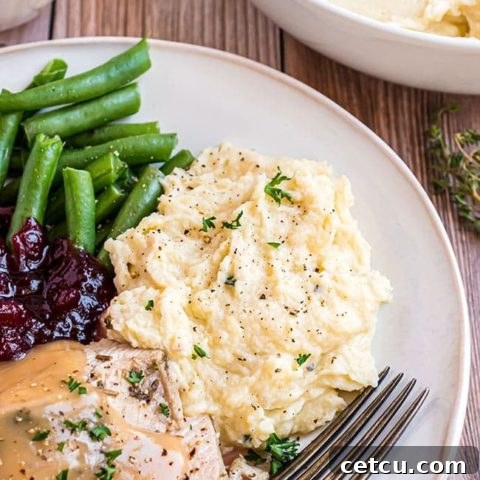
Transform your holiday feasts and busy weeknight dinners with the ultimate secret weapon: Make-Ahead Mashed Potatoes. This incredible recipe delivers irresistibly creamy, buttery mashed potatoes that boast a subtly golden, slightly crisp top straight from the oven. The best part? You can prepare them up to two days in advance, freeing up valuable time when it matters most. Imagine serving a perfect side dish that tastes freshly made, all while you relax and enjoy the moment.
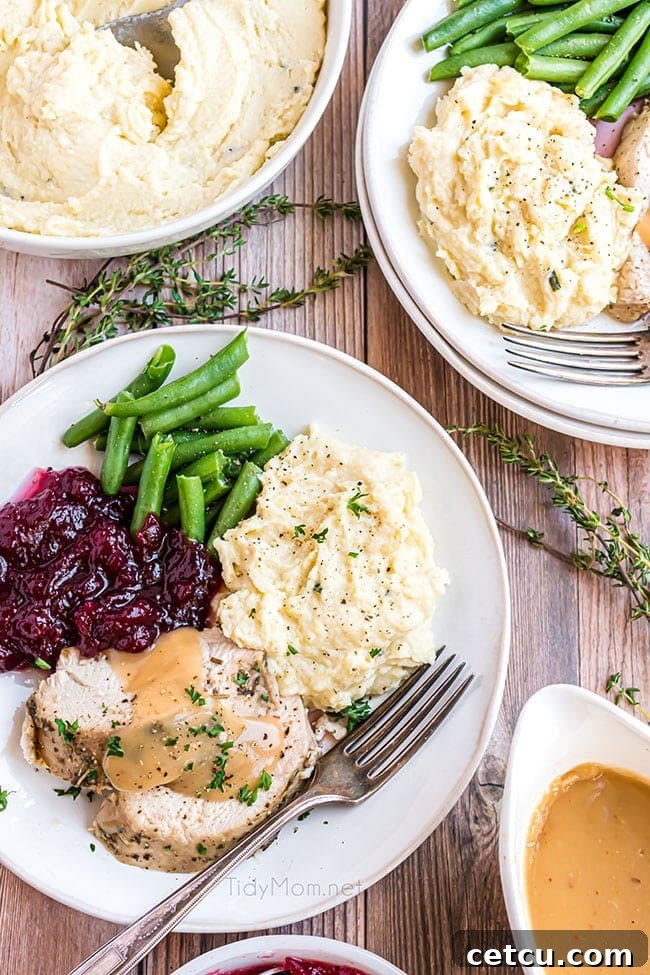
Buttery, smooth mashed potatoes are a quintessential comfort food, pairing beautifully with an array of main courses. Whether it’s the star alongside a succulent Sweet and Spicy Glazed Pork Tenderloin, complementing the crispy texture of Crispy Pork Medallions, or rounding out a flavorful Honey Soy Baked Chicken, these mashed potatoes elevate any meal. They are also an indispensable component of our Thanksgiving menu plan, often served alongside a vibrant dish of Mashed Sweet Potatoes.
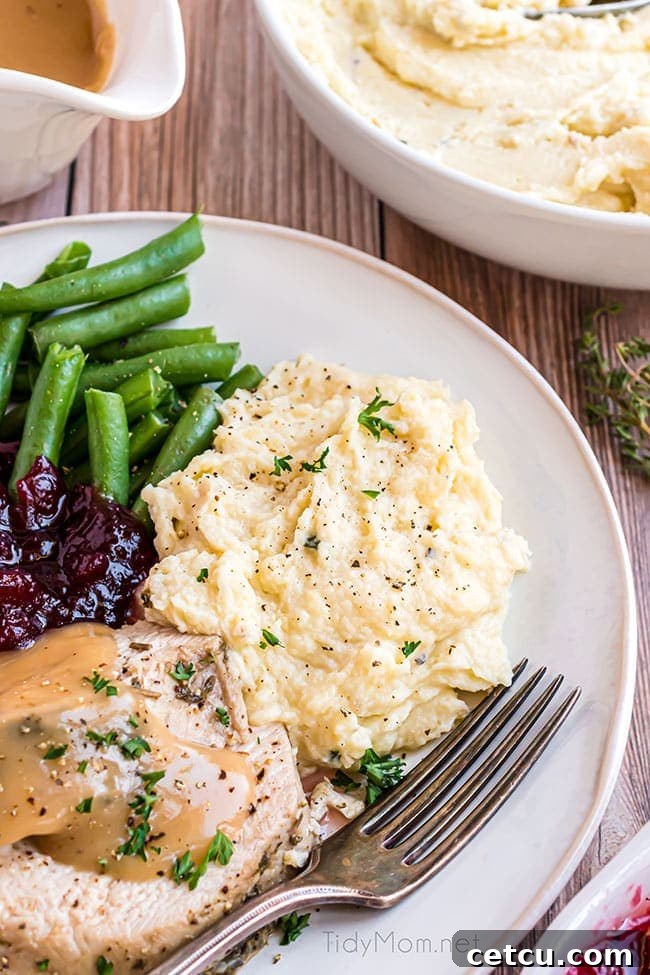
Table of Contents
Why These Make-Ahead Mashed Potatoes Are a Must-Try
Anyone who loves to host or simply enjoys stress-free cooking will appreciate a recipe that streamlines kitchen tasks, especially during busy times. These easy make-ahead mashed potatoes are a game-changer, allowing you to prepare a significant portion of your meal in advance. Here’s why this recipe earns a permanent spot in our culinary rotation:
- Unbeatable Convenience: Prepare them up to two days ahead, reducing last-minute cooking pressure. This is particularly valuable for holiday meals like Thanksgiving or Christmas, where oven space and time are at a premium.
- Effortless Preparation: With straightforward steps and minimal fuss, even novice cooks can achieve perfect results.
- Rich & Creamy Texture: The combination of specific potatoes, cream cheese, and heavy cream ensures a consistently smooth and luxurious mouthfeel.
- Incredible Flavor: Infused with rich butter and seasoned to perfection, these mashed potatoes are bursting with comforting flavor. The gentle reheating process allows the flavors to meld beautifully.
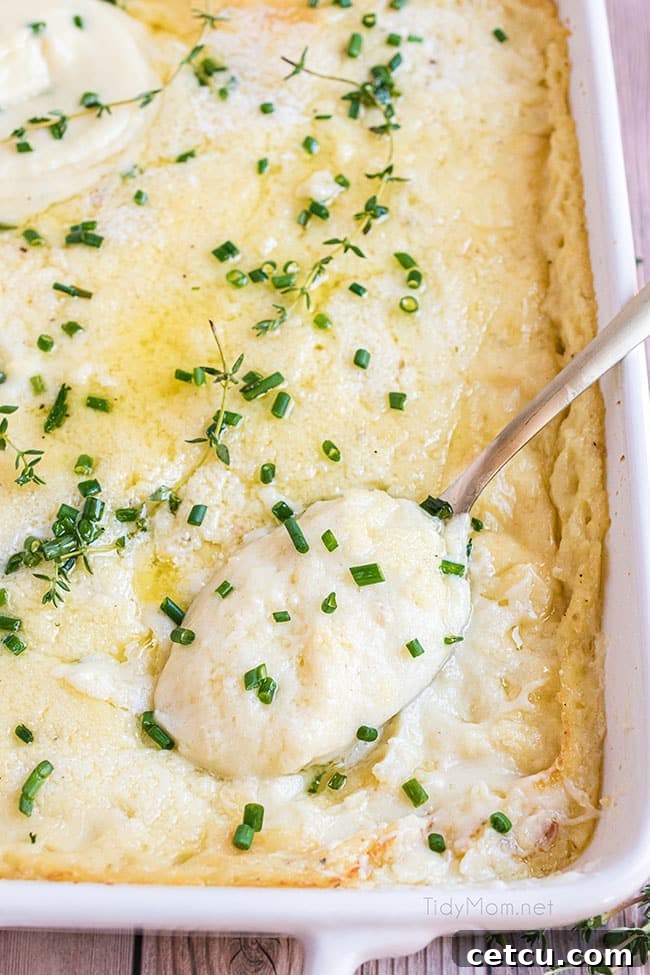
- Delightful Golden Crust: Finishing them in the oven creates a coveted, slightly crisp, golden-brown crust on top that adds an extra layer of texture and appeal.
- Versatile Pairing: They complement virtually any savory main course, from roasted meats to grilled vegetables, making them a flexible side dish for any occasion.
- Simple, Wholesome Ingredients: You won’t find any complicated or hard-to-find items here – just pantry staples that deliver exceptional taste.
This recipe consistently produces mashed potatoes that are rich, fluffy, and utterly delicious. The crispy, golden top achieved during the final bake is a detail that truly sets these potatoes apart, making them a memorable addition to any meal.
Choosing the Best Potatoes for Fluffy, Creamy Mash
The secret to truly spectacular mashed potatoes begins with selecting the right variety of potato. For mashed potatoes that are wonderfully fluffy, smooth, and full of flavor, opt for higher-starch varieties. These potatoes break down easily, absorb dairy well, and yield that desired airy texture.
-
Yukon Gold Potatoes: The Creamy Champion
These medium-starch, yellow-fleshed potatoes are often hailed as the ideal choice for mashing. They naturally possess a buttery flavor and a creamy, dense consistency without becoming gluey. Yukon Golds absorb less water during cooking compared to other varieties, which means they are less prone to becoming water-logged or gummy. Their naturally smooth texture means less mashing is required, further reducing the risk of overworking the starch. -
Russet Potatoes: The Fluffy Favorite
Known for their earthy flavor and high starch content, Russet (or Idaho) potatoes mash up incredibly light and fluffy. Their dry, mealy texture when cooked makes them excellent for absorbing butter, cream, and seasonings. To prevent Russets from absorbing too much water and becoming mushy, consider roasting or baking them instead of boiling, or ensure they are thoroughly drained and dried after boiling. -
The Best of Both Worlds: A Combination
Still torn between creamy and fluffy? Why not use a combination of Russets and Yukon Golds! This blend allows you to achieve a beautiful balance: the fluffy lightness of Russets complemented by the rich creaminess and buttery notes of Yukon Golds. It’s a pairing that often produces the most well-rounded mashed potato experience. -
Potatoes to Avoid for Mashing: Waxy Varieties
Steer clear of waxy red potatoes or new potatoes for mashing. These varieties have a lower starch content and a firmer, more dense flesh. They require significantly more mashing to break down, which can lead to overworking the starch and resulting in an unpleasantly “gluey” or pasty texture. Save these for potato salads or roasting where their waxy texture shines.
Remember, the higher the starch content, the lighter and fluffier your mashed potatoes will be. With Yukon Golds, expect a super creamy, dense consistency, while Russets will deliver an airy, soft mash. Experiment to find your perfect potato preference!
Simple Ingredients for Extraordinary Creamy Mashed Potatoes
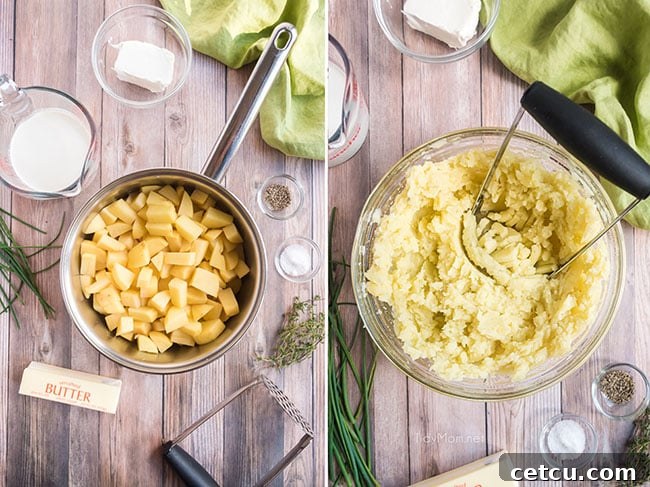
One of the beauties of this make-ahead mashed potato recipe lies in its simplicity. You don’t need a long list of exotic items to achieve a truly extraordinary side dish. These common ingredients, when combined thoughtfully, create a symphony of flavor and texture that will impress every time. Here’s what you’ll need to gather:
For precise measurements and full instructions, please refer to the comprehensive recipe card located at the bottom of this article.
- Potatoes: As discussed, choose Yukon Gold, Russet, or a balanced combination of the two for the best results. Ensure they are peeled and uniformly cubed (about 1-inch pieces) for even cooking.
- Cream Cheese: This is the secret ingredient for unparalleled creaminess and a subtle tang that balances the richness. For optimal blending without lumps, make sure the cream cheese is at room temperature.
- Heavy Cream and Milk: A blend of half heavy cream and half milk delivers a luxurious richness, but you can certainly use all milk for a slightly lighter version. Crucially, both liquids should be warmed before being added to the mashed potatoes. Cold dairy can cool down the potatoes too quickly and make them harder to incorporate smoothly, leading to overmixing.
- Salt and Pepper: These essential seasonings enhance and bring out the natural flavors of the potatoes and dairy. Feel free to adjust quantities to your personal preference. A pinch of garlic powder or onion powder can also be a wonderful addition for an extra layer of savory depth.
- Unsalted Butter: Butter is fundamental to the rich, comforting taste of mashed potatoes. Using unsalted butter allows you to control the overall sodium content. This recipe calls for the butter to be divided: half is incorporated during the initial mashing for flavor and richness, and the other half is dotted on top before baking, contributing to that irresistible golden crust and re-moistening the potatoes.
- Fresh Herbs (Chives or Thyme): While optional, a sprinkle of freshly chopped chives or thyme adds a vibrant splash of color and a fresh, aromatic garnish that elevates the dish both visually and in taste. Consider other fresh herbs like parsley or rosemary too!
Each ingredient plays a vital role in creating the perfect make-ahead mashed potatoes. The cream cheese adds structure and richness, the warm dairy ensures a silky texture, and the generous amount of butter delivers that classic, comforting flavor everyone loves.
Step-by-Step Guide to Make-Ahead Mashed Potatoes
The beauty of this recipe is its flexibility: you can either prepare and serve these mashed potatoes on the same day, or make them up to two days in advance and bake them just before serving. The choice is yours, depending on your schedule and needs.
For precise measurements and detailed instructions, always refer to the full printable recipe card at the bottom of this page.
- Prepare Your Dish: Begin by lightly greasing a large casserole dish with cooking spray or butter. This prevents sticking and ensures easy serving. Set it aside for now.
- Boil the Potatoes to Perfection: Place your peeled and uniformly cubed potatoes into a large pot. Cover them with cold water, adding about 1 teaspoon of salt to the water for flavor. Bring to a boil, then reduce heat and simmer until the potatoes are fork-tender but still hold their shape (typically 15-20 minutes, depending on potato size). Avoid overcooking, as this can lead to water-logged or gummy potatoes.
- Thoroughly Drain and Dry: This step is crucial for non-gummy mashed potatoes. Once tender, drain the potatoes completely in a colander. Immediately return the drained potatoes to the empty hot pot (without a lid). Place the pot back on the warm burner (turned off or on very low heat) for a few minutes, gently shaking the pot. This process allows any residual moisture to evaporate, resulting in drier, fluffier potatoes ready for mashing.
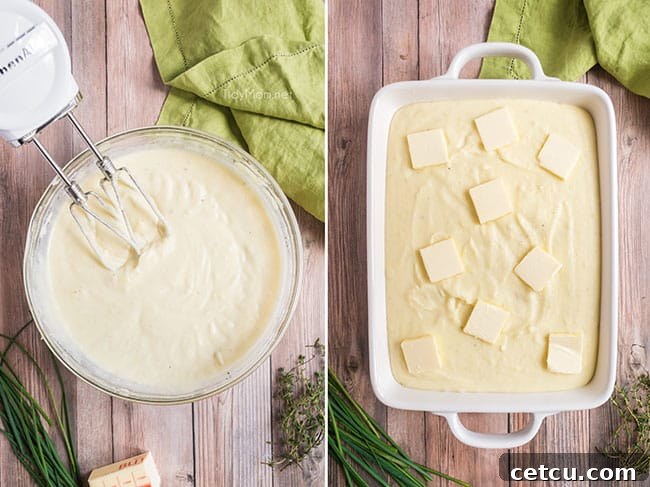
- Mash and Blend the Ingredients: In the same pot (or a large mixing bowl), add the warm, dry potatoes. Incorporate the softened cream cheese, warmed milk (or milk and cream mixture), 1/4 cup (4 tablespoons) of the unsalted butter, salt, and pepper. Use a potato masher for a rustic, slightly lumpy texture, or an electric mixer on low speed for incredibly smooth and creamy results. Mix until just combined and smooth, taking care not to overmix, which can activate starches and lead to a gluey consistency.
- Prepare for Storage (Make-Ahead): Transfer the mashed potato mixture into your prepared casserole dish. Smooth the top evenly. Cover the dish tightly with plastic wrap, ensuring the wrap touches the surface of the potatoes to prevent a skin from forming and to lock in moisture. Then, cover with aluminum foil. Refrigerate for up to two days.
- Preheat and Prep for Baking: When you’re ready to serve, remove the casserole dish from the refrigerator and let it sit at room temperature for about 30 minutes to an hour. This helps the potatoes warm up slightly and bake more evenly. Meanwhile, preheat your oven to 350°F (175°C).
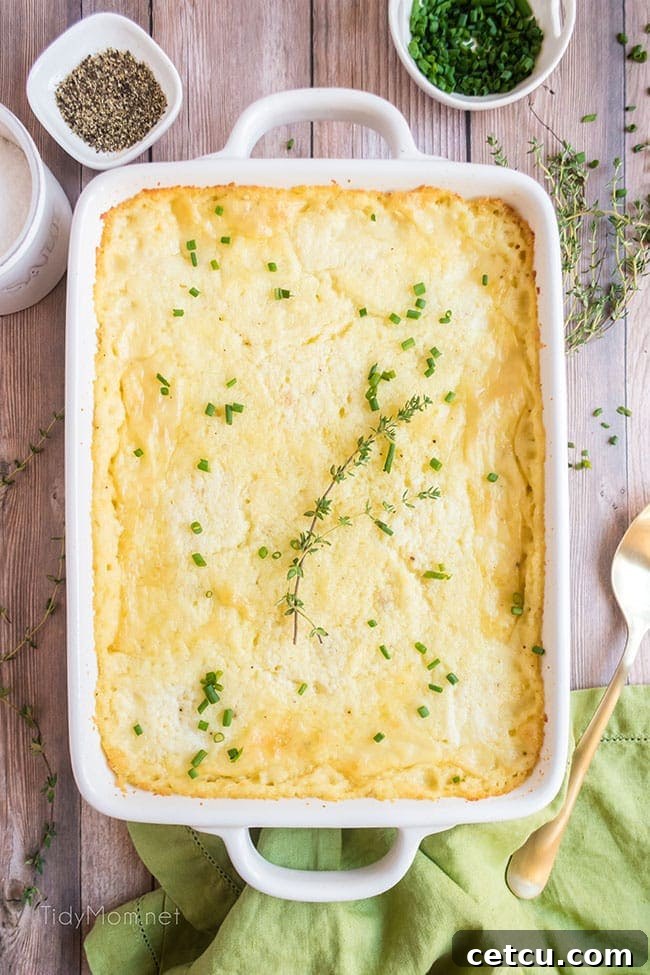
- Bake to Golden Perfection: Remove the plastic wrap and foil. Dot the top of the mashed potatoes with the remaining 1/4 cup (4 tablespoons) of unsalted butter. Re-cover the dish loosely with aluminum foil. Bake in the preheated oven for 30 minutes. Then, remove the foil and continue baking for another 15-20 minutes, or until the potatoes are heated through, bubbly around the edges, and the top has developed a beautiful, slightly crispy golden crust.
- Garnish and Serve: Once baked, remove from the oven. Garnish with your favorite toppings, such as freshly chopped chives, thyme, a dollop of sour cream, or crispy bacon bits. Serve immediately and enjoy the warm, comforting goodness!
Follow these steps, and you’ll achieve perfectly creamy, flavorful, and beautifully crusted make-ahead mashed potatoes every time!
Mastering the Art of Make-Ahead: Storage and Reheating
The true genius of make-ahead mashed potatoes lies in their ability to be prepared in advance without compromising on taste or texture. Proper storage and reheating are key to enjoying them at their best.
Storage Guidelines
- Refrigeration: After preparing the mashed potatoes and transferring them to a casserole dish, cover them tightly. First, press plastic wrap directly onto the surface of the potatoes to create an airtight seal and prevent a dry “skin” from forming. Then, cover the entire dish with aluminum foil. Store in the refrigerator for up to 2 days.
- Freezing (for longer storage): While possible, mashed potatoes can sometimes become a bit grainy after freezing and thawing due to the dairy separating. To minimize this, use full-fat dairy (heavy cream, cream cheese) in the recipe, and consider adding a little extra butter or cream when reheating.
- To Freeze: Allow the prepared mashed potatoes to cool completely. Transfer them to a freezer-safe, airtight container or a heavy-duty freezer bag (squeeze out excess air). You can also portion them into individual servings for easy reheating. They can be stored in the freezer for up to 1 month. Beyond this, quality might decline.
- Thawing: For best results, thaw frozen mashed potatoes overnight in the refrigerator before reheating. If reheating from frozen, it will take considerably longer.
Reheating Methods
The oven method (as described in the recipe) is ideal for achieving that coveted golden, crispy crust. However, if you’re short on time or only reheating a small portion, other methods work too:
- Oven (Best for Large Batches & Crispy Top):
- Allow refrigerated potatoes to sit at room temperature for 30 minutes to 1 hour.
- Preheat oven to 350°F (175°C).
- Dot with remaining butter, cover loosely with foil, and bake for 30 minutes.
- Uncover and bake for an additional 15-20 minutes, or until hot and lightly browned on top.
- Stovetop (Best for Small to Medium Batches):
- Transfer mashed potatoes to a large saucepan or pot.
- Add a splash of milk or cream (1-2 tablespoons per cup of potatoes) and a pat of butter.
- Heat over medium-low heat, stirring frequently, until heated through and creamy. Add more liquid if needed to reach desired consistency. Be gentle to avoid overmixing.
- Slow Cooker (Great for Keeping Warm):
- Place prepared mashed potatoes in a slow cooker. Add a splash of milk or cream and some butter.
- Cook on low for 2-4 hours, stirring occasionally, until heated through. This method is excellent for keeping mashed potatoes warm during a buffet or party.
- Microwave (Quickest for Small Portions):
- Place a single serving of mashed potatoes in a microwave-safe bowl.
- Add a tablespoon of milk or cream and a small pat of butter.
- Cover loosely and microwave on high for 1-2 minutes, stirring halfway through, until hot. Adjust time for larger portions.
No matter your chosen method, remember to adjust seasonings and perhaps add a little extra butter or cream after reheating to restore their original lusciousness.
Frequently Asked Questions About Mashed Potatoes
Navigating the world of mashed potatoes can sometimes raise a few questions. Here are answers to some of the most common inquiries to help you achieve perfect results every time.
Do I need to peel the potatoes for mashed potatoes?
Traditionally, most mashed potato recipes call for peeling the potatoes. Peeling generally results in a smoother, fluffier, and creamier final product, as the skins can add a slightly rustic or chunky texture. For this specific recipe, we peeled them to achieve that classic silky consistency. However, leaving the skins on is a personal preference and can add a delightful rustic touch, along with extra fiber and nutrients. If you choose to leave the skins on, ensure your potatoes are thoroughly scrubbed clean.
What type of potatoes are best for mashed potatoes?
As detailed in the section above, high-starch potatoes are generally preferred. My personal top recommendation for truly exceptional mashed potatoes is Yukon Golds. They are inherently creamy, never gritty, and possess a subtle buttery flavor even before you add any butter! They require minimal mashing to become smooth. Russet (or Idaho) potatoes are another excellent choice, providing a light and fluffy texture. A combination of both offers a wonderful balance of creaminess and fluffiness.
What is 2.5 pounds of potatoes equivalent to?
Potatoes vary in size, but as a general guideline, 2 pounds of potatoes typically equates to approximately 6 medium-sized potatoes. Therefore, for 2.5 pounds of potatoes, you would generally need around 7 to 8 medium-sized potatoes. If using smaller potatoes, you might need a few more; if using very large ones, fewer would suffice. It’s always best to weigh them if you have a kitchen scale for precise measurements, especially in baking or when a recipe calls for specific quantities.
Can I make these mashed potatoes dairy-free?
Yes, you can adapt this recipe for dairy-free diets. Replace the butter with a high-quality dairy-free butter substitute, use a plant-based cream cheese alternative, and swap dairy milk/cream for unsweetened almond milk, oat milk, or cashew cream. Be mindful that the texture and flavor might differ slightly, but many excellent dairy-free options are available that yield delicious results.
How can I make my mashed potatoes extra fluffy?
To achieve extra fluffy mashed potatoes, start with high-starch potatoes like Russets. Ensure they are thoroughly drained and dried after boiling to remove excess moisture. Use a potato ricer or food mill for mashing, which aerates the potatoes beautifully without overworking them. Avoid overmixing once dairy and butter are added, and make sure your dairy is warmed to prevent cooling the potatoes too quickly.
Pro Tips for the Best Mashed Potatoes Every Time
Achieving restaurant-quality mashed potatoes isn’t just about the ingredients; it’s also about technique. Incorporate these expert tips into your preparation, and you’ll be consistently lauded for your perfect mash:
- Elevate Flavor with Chicken Broth: Instead of plain water, boil your peeled and cubed potatoes in 4-6 cups of good quality chicken broth. This simple swap infuses an incredible depth of savory flavor right from the start, making your mashed potatoes truly stand out. Remember to taste before adding additional salt after mixing.
- Always Use Warm Dairy: This is a critical tip! Never add cold milk or cream to hot potatoes. Cold liquids will cool the potatoes down rapidly, making them stiff and harder to incorporate smoothly. This often leads to overmixing, which can result in gummy potatoes. Warm your milk and/or cream gently on the stovetop or in the microwave before adding.
- Enhance with Garlic Salt: If you’re a fan of garlicky mashed potatoes, a touch of garlic salt (or garlic powder along with regular salt) mixed in with the other ingredients provides a wonderful, aromatic kick. For a deeper flavor, you can even simmer a few cloves of crushed garlic in the milk before warming it.
- Remove Excess Water Thoroughly: After boiling and draining your potatoes, return them to the empty hot pot. Place the pot back on the burner (either turned off or on very low) for a few minutes, shaking gently. This crucial step allows any residual moisture on the potatoes to evaporate, ensuring a fluffier, drier mash that isn’t water-logged or gluey.
- Avoid Overmixing at All Costs: Potatoes are rich in starch. When starches are over-agitated (overmixed), they release and turn the potatoes into a gluey, pasty consistency. Mix just enough to combine the ingredients until smooth.
- Choose Your Mashing Tool Wisely:
- For Creamy and Smooth: An electric hand mixer on low speed, a potato ricer, or a food mill are excellent tools. They break down the potatoes efficiently and help create a wonderfully airy, smooth texture without overworking them.
- For Slightly Lumpy and Rustic: A traditional hand potato masher is perfect. It leaves a few delightful chunks of potato for those who appreciate a bit more texture in their mash.
- Taste and Adjust Seasoning: Always taste your mashed potatoes before serving and adjust the salt, pepper, or any other spices as needed. Different potato varieties and broth types can affect the final seasoning, so a final taste test is essential.
- Don’t Forget the Butter: Beyond mixing butter in, dotting the top of your make-ahead mashed potatoes with extra pats of butter before baking ensures they stay moist, adds richness, and contributes significantly to that irresistible golden crust.
Creative Variations and Flavor Boosters
While this classic make-ahead mashed potato recipe is perfect as is, it also serves as an excellent canvas for culinary creativity. Don’t be afraid to experiment with different additions to customize the flavor profile to your liking:
- Roasted Garlic Mashed Potatoes: Roast a head or two of garlic until soft and caramelized. Squeeze the softened cloves into your mashed potatoes along with the other ingredients. The sweet, mellow garlic flavor is truly divine.
- Cheesy Mashed Potatoes: Fold in a generous cup of shredded cheese, such as sharp cheddar, Gruyère, Parmesan, or a blend of your favorites, after mashing. The cheese will melt into the warm potatoes, creating an incredibly rich and savory dish.
- Herby Mashed Potatoes: Beyond chives and thyme, consider mixing in finely chopped fresh rosemary, parsley, or a blend of Italian herbs. Herbs add freshness and complexity.
- Loaded Mashed Potatoes: For a decadent twist, stir in crispy cooked bacon bits, shredded cheddar cheese, sliced green onions, and a dollop of sour cream or Greek yogurt. This transforms them into a hearty, satisfying meal on their own.
- Cream Cheese & Chive Mashed Potatoes: Emphasize the cream cheese tang and fresh oniony bite by adding extra cream cheese and a significant amount of fresh chives.
- Caramelized Onion Mashed Potatoes: Slowly sauté sliced onions until deeply caramelized and sweet. Fold them into your mashed potatoes for a sophisticated and flavorful addition.
- Horseradish Mashed Potatoes: For a subtle kick, mix in a tablespoon or two of prepared horseradish. It adds a zesty brightness that cuts through the richness.
- Truffle Mashed Potatoes: A drizzle of high-quality truffle oil (white or black) at the end can elevate your mashed potatoes to gourmet status with its earthy, aromatic notes.
Essential Equipment for Perfect Mashed Potatoes
Having the right tools can make all the difference in the ease and outcome of your make-ahead mashed potatoes. Here’s a list of essential (and highly recommended) kitchen gadgets:
- Large Pot: Essential for boiling the potatoes evenly. Choose one with ample space to prevent overcrowding.
- Colander: For thoroughly draining the boiled potatoes.
- Vegetable Peeler: A good swivel peeler makes quick work of peeling potatoes.
OXO Good Grips Swivel Peeler - Potato Masher, Ricer, or Electric Mixer: Depending on your preferred texture (lumpy vs. smooth).
OXO Good Grips Stainless Steel Potato Masher with Cushioned Handle - Large Mixing Bowl: To combine all the ingredients without making a mess.
- Measuring Cups and Spoons: For accurate ingredient amounts.
- Spatula or Spoon: For mixing and transferring potatoes.
- Casserole Dish: A large, oven-safe dish (like a 9×13 inch) is perfect for baking and serving these make-ahead potatoes.
Oval Casserole with Glass Cover, 2.5-Quart - Plastic Wrap and Aluminum Foil: Essential for proper storage.
- Kitchen Scale (Optional but Recommended): For precise potato measurements.
Troubleshooting Common Mashed Potato Mistakes
Even with a great recipe, things can sometimes go awry. Here’s how to avoid or fix the most common mashed potato mishaps:
- Gummy or Gluey Mashed Potatoes: This is the most common complaint and almost always a result of overmixing. Potatoes release too much starch when handled aggressively or for too long.
- Prevention: Use a potato ricer or food mill for the smoothest results without overworking. If using a masher, mash just enough to remove lumps. If using an electric mixer, use the lowest speed for only a few seconds.
- Fix: Unfortunately, gummy potatoes are hard to fully fix. You can try adding a bit more warm milk and butter, but gentle handling is key for prevention.
- Bland Mashed Potatoes: Lacking flavor?
- Prevention: Salt the water when boiling potatoes. Use chicken broth instead of water. Don’t be shy with salt, pepper, and butter.
- Fix: Stir in more salt, freshly ground black pepper, and warm butter or cream. A pinch of garlic powder or onion powder can also perk up the flavor.
- Dry Mashed Potatoes: If your potatoes are stiff and dry.
- Prevention: Ensure you’re adding enough warm dairy and butter as specified. Avoid overcooking potatoes to prevent excessive water loss.
- Fix: Gently warm more milk or cream and slowly stir it into the mashed potatoes until the desired consistency is reached. Add a little extra butter too.
- Watery Mashed Potatoes:
- Prevention: Thoroughly drain and dry your potatoes after boiling (as described in step 3 of the instructions). Don’t add too much liquid at once.
- Fix: You can try to gently heat the mashed potatoes on the stovetop over very low heat to evaporate some moisture, stirring constantly. Or, if they are only slightly watery, stir in a spoonful of potato flakes (instant mashed potato powder) to absorb excess liquid.
Make-Ahead Mashed Potatoes
MAKE-AHEAD MASHED POTATOES are perfect for busy holidays or weeknights. They will keep up to two days in the refrigerator and reheat beautifully in the oven, emerging creamy and buttery with a satisfyingly golden, slightly crunchy crust!
10-12 servings
15 minutes
45 minutes
1 hour
Ingredients
- 2½ pounds potatoes, peeled and cubed (Yukon Gold, Russet, or a combination)
- 3 ounces cream cheese, softened to room temperature
- 1¼ cup milk (or half heavy cream and half milk), warmed
- 1 teaspoon salt (or to taste)
- ¼ teaspoon pepper (or to taste)
- ½ cup unsalted butter (divided into two ¼ cup portions)
- Freshly chopped chives or thyme for garnish (optional)
Instructions
- Prepare Baking Dish: Lightly spray a large casserole dish with cooking spray or grease it with butter. Set aside.
- Boil Potatoes: Place peeled and cubed potatoes in a large pot. Cover with cold water (adding a pinch of salt to the water). Bring to a boil, then reduce heat and simmer for about 15-20 minutes, or until fork-tender but still firm.
- Drain and Dry Potatoes: Drain the potatoes thoroughly in a colander. Return the drained potatoes to the empty hot pot. Place the pot back on a warm burner (turned off or very low) for a few minutes, gently shaking the pot, until all excess moisture has evaporated.
- Mash and Blend: In the same pot (or a large mixing bowl), combine the warm, dry potatoes with the softened cream cheese, warmed milk (or milk/cream mixture), 1/4 cup (4 tablespoons) of softened butter, salt, and pepper. Mash with a potato masher or use an electric mixer on low speed until blended and smooth. Be careful not to overmix.
- Prepare for Make-Ahead Storage: Transfer the mashed potatoes to the prepared casserole dish. Cover the surface directly with plastic wrap, then cover the entire dish tightly with aluminum foil. Refrigerate for up to two days.
- Bake (When Ready to Serve): When ready to bake, remove the dish from the refrigerator and let it sit at room temperature for about 30 minutes. Preheat your oven to 350°F (175°C). Remove plastic wrap and foil. Dot the top of the potatoes with the remaining 1/4 cup (4 tablespoons) of butter.
- Bake & Crisp: Cover the dish loosely with foil and bake for 30 minutes in the preheated oven. Uncover and continue baking for another 15-20 minutes, or until the potatoes are heated through, bubbly, and the top is slightly crisp and golden.
- Garnish and Serve: Garnish with freshly chopped chives or thyme, if desired. Serve hot and enjoy!
Notes
- For Extra Flavor: Boil your potatoes in 4-6 cups of chicken broth instead of water for a richer, more savory base. Adjust salt accordingly after mixing.
- Garlic Lover’s Twist: Add a teaspoon of garlic salt or garlic powder when mixing the ingredients for a delicious garlic mash.
- Texture Preference: Use a hand masher for slightly lumpy, rustic mashed potatoes. For creamy and silky smooth mashed potatoes, opt for an electric mixer, potato ricer, or food mill.
- Reheating from Frozen: If reheating from frozen, thaw overnight in the refrigerator first. You may need to add an extra splash of warm milk or butter when reheating to restore moisture and creaminess.
Nutrition Information:
Yield: 12
Serving Size: 1
Amount Per Serving (estimated):
Calories: 193
Total Fat: 11g
Saturated Fat: 7g
Trans Fat: 0g
Unsaturated Fat: 3g
Cholesterol: 30mg
Sodium: 221mg
Carbohydrates: 22g
Fiber: 2g
Sugar: 3g
Protein: 4g
Nutrition information is estimated based on the ingredients and cooking instructions as described in each recipe and is intended to be used for informational purposes only. Please note that nutrition details may vary based on methods of preparation, origin, and freshness of ingredients used.
Like This Recipe? Share Your Thoughts!
We’d love to hear how these Make-Ahead Mashed Potatoes transformed your meal! Your feedback helps us and other home cooks. Please leave a review below and let us know what you thought of the recipe!
Originally posted in November 2021. Updated in November 2024. No changes were made to the recipe.