
Unlock Superior Flavor: The Ultimate Guide to Vanilla Bean Paste
Vanilla, a flavor universally cherished, stands as one of the most beloved and essential ingredients in the culinary world, particularly in baking. Beyond sugar and flour, this aromatic spice is a foundational element in countless sweet recipes, from delicate cookies and rich frostings to creamy ice creams and elaborate cakes. Its warm, comforting notes have the power to elevate a simple dish into an extraordinary experience.
While most home bakers are familiar with vanilla extract, there’s a secret ingredient that seasoned pastry chefs and baking enthusiasts often turn to for unparalleled depth of flavor: Vanilla Bean Paste. This remarkable product can truly transform your baking, imbuing your creations with a richness and visual appeal that traditional extract simply can’t match.
What Exactly is Vanilla Bean Paste?
To truly appreciate vanilla bean paste, it’s essential to understand how it differs from its more common counterpart, vanilla extract. Traditional vanilla extract is made by infusing chopped vanilla beans in an alcohol solution, which draws out their flavor compounds over time. While effective, this process yields a clear liquid that, while flavorful, lacks the full spectrum of the bean itself.
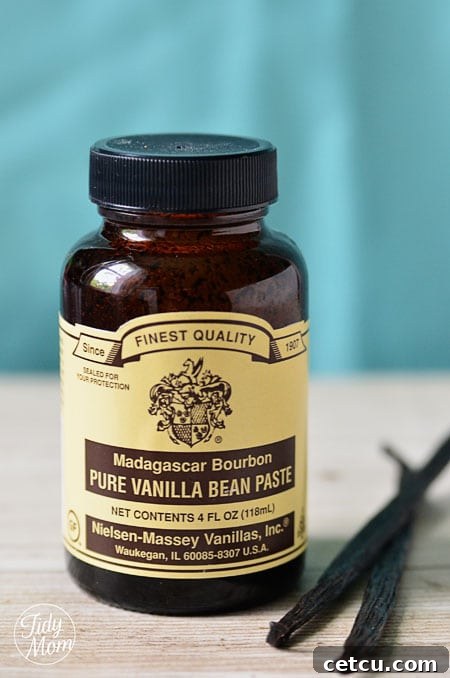
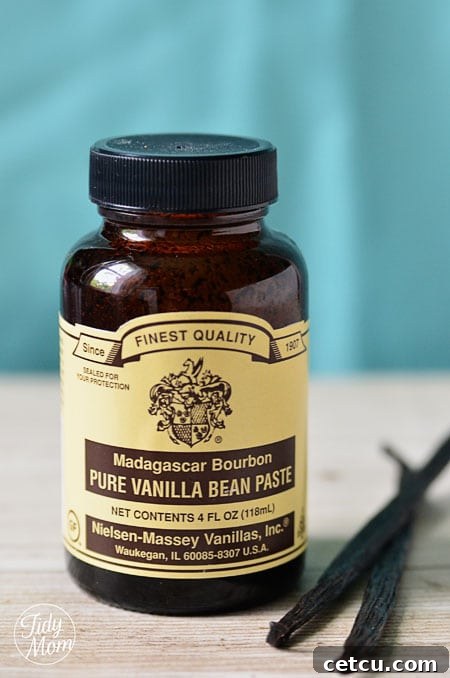
Vanilla Bean Paste, on the other hand, offers a more concentrated and luxurious vanilla experience. It is crafted by infusing finely ground or scraped vanilla beans, including their prized seeds, into a thick, sweet syrup base typically made from sugar and water, often with a touch of vanilla extract. This innovative preparation means that you’re not just getting the flavor compounds that dissolve in alcohol; you’re incorporating the entire essence of the vanilla bean, seed and all, into your recipe.
The most distinctive feature of vanilla bean paste is the visible presence of tiny, beautiful vanilla bean flecks. These alluring black specks are a hallmark of genuine vanilla, adding not only an intense, aromatic flavor but also an elegant visual signature to your baked goods. The result is a much fuller, richer, and more intense burst of warm, seductive vanilla flavor that truly stands out.
The Unrivaled Benefits of Baking with Vanilla Bean Paste
Why should you switch to vanilla bean paste? Its advantages extend beyond mere flavor:
- Superior Flavor Intensity: Because it contains the actual vanilla bean seeds and a more concentrated extract, the paste delivers a deeper, more complex, and long-lasting vanilla flavor that regular extract often can’t match. It’s like tasting vanilla in high definition.
- Aesthetic Appeal: Those beautiful, tiny black flecks are a gourmet touch that instantly signals quality and craftsmanship in your desserts. Imagine them suspended in a creamy panna cotta, a luscious crème brûlée, or a pristine white frosting.
- Thick Consistency: The paste’s thick, syrupy texture makes it easier to measure and less likely to thin out batters or frostings, which can be a minor issue with liquid extracts.
- Convenience of Use: It offers the intense flavor and visual appeal of whole vanilla beans without the fuss of splitting, scraping, or cleaning. It’s an efficient way to get that coveted “real vanilla” look and taste.
- Versatility: Vanilla bean paste can be substituted 1:1 for vanilla extract in virtually any recipe, making it an incredibly versatile addition to your pantry.
Vanilla Fun Fact: The introduction of vanilla to the United States in the late 1700s is widely attributed to Thomas Jefferson. During his time as Ambassador to King Louis XVI of France, he became fascinated with vanilla beans and brought 200 of them back to the United States, forever changing American culinary landscapes.
When and Where to Use Vanilla Bean Paste for Best Results
Elevate Your Favorite Recipes
Any time you truly want the vanilla flavor to be the star, reaching for vanilla bean paste is an excellent choice. Its robust profile shines brightest in recipes where vanilla isn’t competing with many other strong flavors. Think of it as your secret weapon for elevating everyday desserts into something extraordinary.
You can seamlessly incorporate vanilla bean paste into a myriad of dishes. Add a spoonful to your morning coffee or whipped cream for an instant upgrade. It’s magnificent in butter cookies, homemade ice cream, creamy scones, fluffy buttercream frostings, or even delicate marshmallows. Essentially, any recipe calling for vanilla extract can be enhanced by a 1:1 substitution with vanilla bean paste.
Highlighting the Visual and Flavorful Flecks
While vanilla bean paste works wonderfully in any recipe, its visual impact is best appreciated in light-colored preparations where the distinctive specks can be seen. For instance, it’s ideal for:
- Creamy frostings and glazes
- Pale butter cookies and shortbread
- White or pound cakes
- Light-colored desserts like custards, puddings, or Italian ice
- Meringues and whipped cream
For recipes like rich brownies or vibrant lemon cupcakes, where the flecks wouldn’t be visible or the vanilla flavor isn’t the primary focus, a good quality vanilla extract (homemade or store-bought) is perfectly sufficient. This allows you to save your premium vanilla bean paste for occasions where its unique qualities can truly shine.
Where to Purchase Your Vanilla Bean Paste
Once a specialty item, vanilla bean paste is becoming increasingly accessible. You can often find it at gourmet grocery stores, specialty kitchen retailers like Williams-Sonoma, or easily online through retailers like Amazon or dedicated spice purveyors. Popular brands include Nielsen-Massey, LorAnn Oils, and Beanilla, all known for their high-quality vanilla products. Purchasing paste is also a more economical and convenient alternative to buying and scraping individual vanilla beans, especially for frequent bakers.
When selecting vanilla bean paste, look for brands that list real vanilla bean seeds as a primary ingredient, ensuring you get the authentic flavor and visual appeal. Store your vanilla bean paste in a cool, dark place, away from direct sunlight and heat, in an airtight container to maintain its potency and freshness for an extended period, typically up to two years.
The History of Vanilla: A Prized Spice
The story of vanilla is as rich as its flavor. Originating from an orchid native to Mesoamerica, vanilla was first cultivated by the Totonac people along the Gulf Coast of Mexico. The Aztecs later conquered the Totonacs and developed a taste for vanilla, using it to flavor their chocolate drinks. It was introduced to Europe by Spanish conquistadors in the 16th century, quickly becoming a prized ingredient among royalty and the elite.
For centuries, Mexico remained the primary source of vanilla, as the specific Melipona bee, essential for pollinating the vanilla orchid, only existed there. It wasn’t until the mid-19th century that an enslaved 12-year-old boy named Edmond Albius on the French island of Réunion discovered a method for hand-pollinating the vanilla orchid, revolutionizing its cultivation and making it accessible globally. This ingenuity led to vanilla plantations flourishing in various tropical regions, including Madagascar, Indonesia, and Tahiti, each producing beans with slightly different flavor profiles.
Today, vanilla remains one of the world’s most labor-intensive crops, contributing to its status as a valuable and sought-after spice. Its complex aroma, derived from over 200 flavor compounds (with vanillin being the most prominent), continues to captivate palates worldwide.
Final Thoughts on Elevating Your Baking
If you’re looking to take your baking from good to truly exceptional, incorporating vanilla bean paste into your repertoire is a game-changer. Its intense flavor, appealing visual flecks, and ease of use make it a worthwhile investment for any enthusiastic baker. Experiment with it in your next batch of cookies, frosting, or custard, and prepare to be amazed by the depth and richness it brings.
Do you already bake with Vanilla Bean Paste? Share your favorite recipes and experiences!