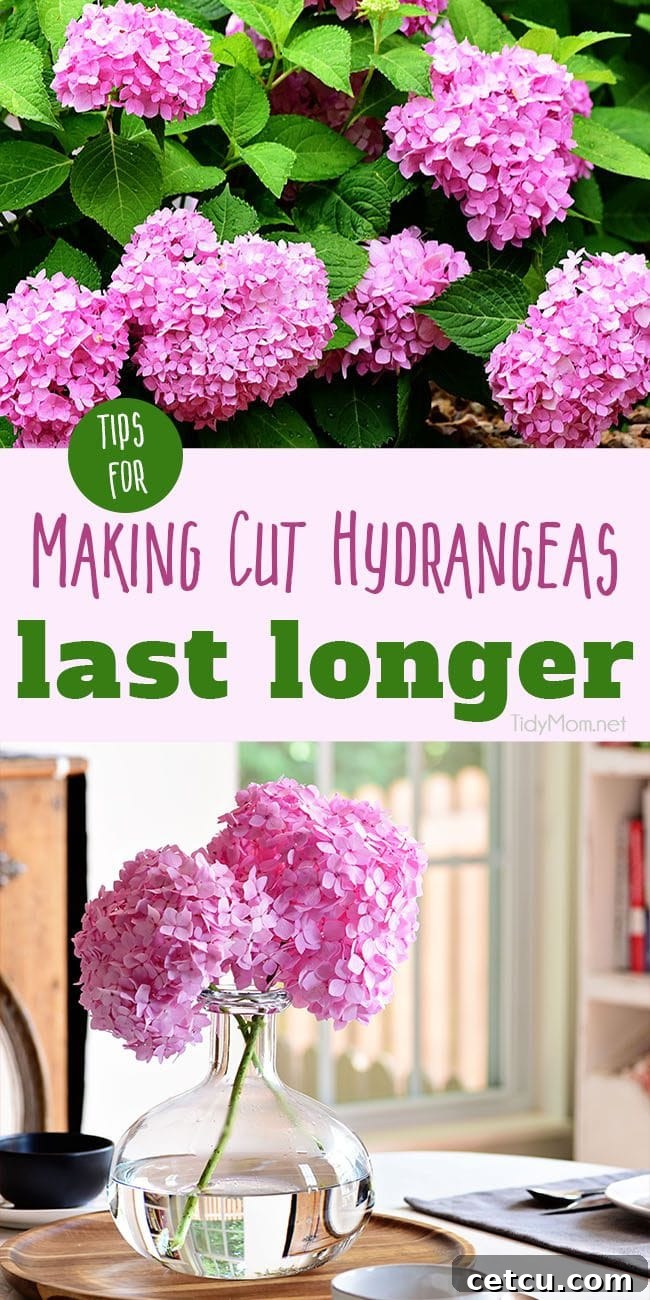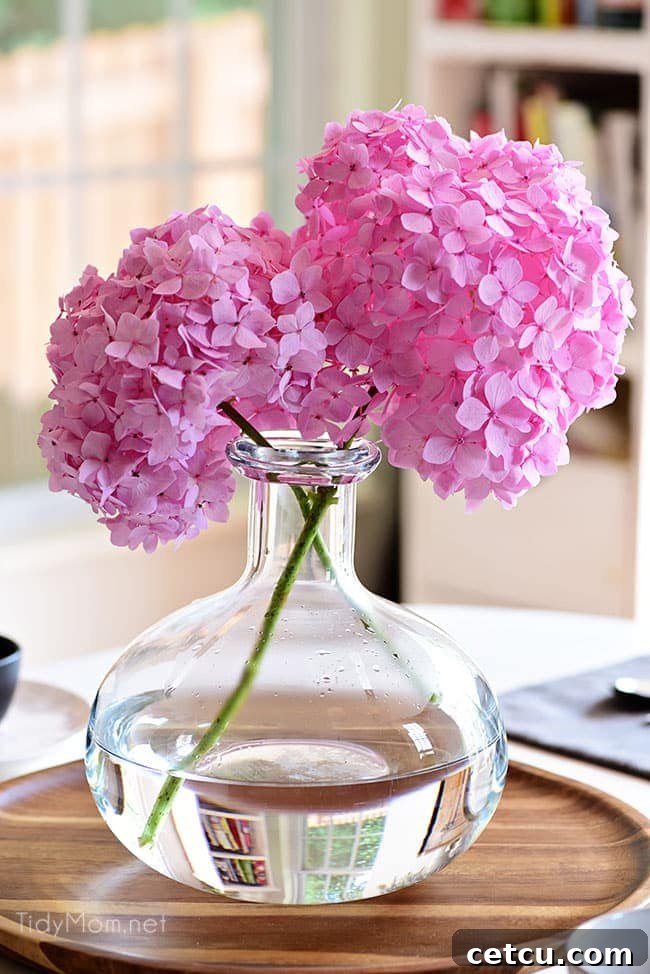
Unlock the secrets to keeping your fresh-cut hydrangeas looking magnificent for an extended period. Dive into our comprehensive guide filled with expert tips and proven techniques that will transform your floral arrangements and leave you amazed at the longevity of your beautiful blooms!
Mastering Hydrangea Care: Making Your Cut Hydrangeas Last Longer
There are few flowers that captivate with such grandeur and charm as hydrangeas. Their lush, voluminous blooms, ranging from vibrant blues and soft pinks to delicate whites and deep purples, make them an undeniable favorite for both garden landscapes and exquisite interior decor. The sheer presence of a hydrangea arrangement can elevate any room, adding a touch of sophisticated elegance and natural beauty. For many, hydrangeas aren’t just flowers; they’re a statement, a centerpiece, and a source of immense joy.
My own journey with these enchanting flowers began a couple of years ago when we decided to revamp our home’s landscaping. Among the new additions were three exquisite Endless Summer Hydrangeas. That first year, they truly lived up to their name, gracing us with an abundance of vivid blue blooms that were nothing short of spectacular. The vibrant color and full blossoms brought an immediate sense of peace and beauty to our outdoor space.
However, the following year presented a challenge. I eagerly anticipated another magnificent display, envisioning bountiful blooms adorning the front of our house once more. Imagine my disappointment when, despite my hopes, the bushes yielded only a handful of sporadic flowers throughout the entire summer. It was a stark contrast to the previous year’s explosion of color and left me wondering what had gone wrong with my beloved hydrangeas.
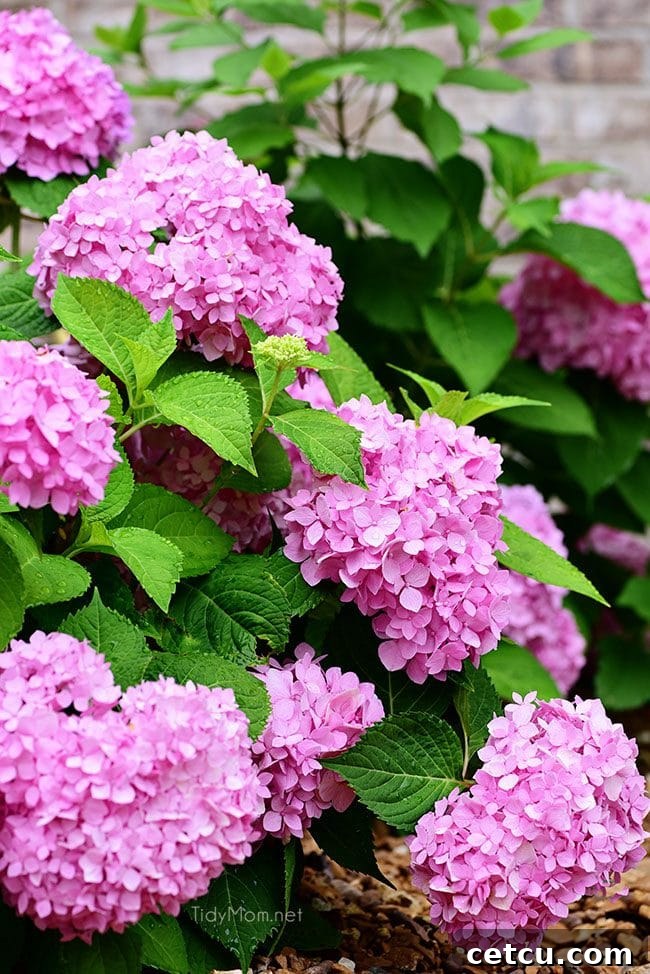
Thankfully, this year brought renewed hope and a delightful surprise! All three plants burst into a full, glorious bloom, this time showcasing stunning shades of pink. It was a truly gratifying sight, confirming that my hydrangeas had bounced back with vigor. This meant I could finally indulge in my favorite pastime: cutting these magnificent flowers to bring their beauty indoors, creating breathtaking hydrangea centerpieces and arrangements that fill our home with natural elegance. Achieving this level of success with cut hydrangeas isn’t always straightforward, but with the right knowledge, anyone can enjoy their beauty for much longer.
Over time, through trial and error, and a bit of research, I’ve discovered several indispensable secrets for cultivating long-lasting hydrangeas once they’ve been cut from the bush. These tips are designed to address the most common challenges faced by flower enthusiasts, ensuring your stunning arrangements remain vibrant and fresh, bringing lasting enjoyment to your home.
The Wilting Mystery Solved: Preventing Quick Decline
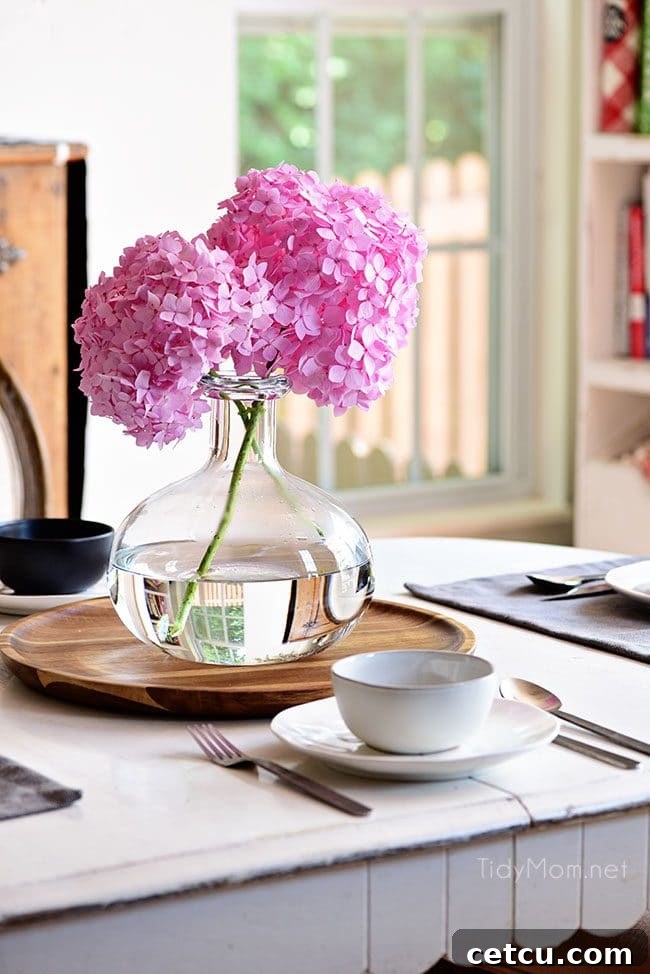
Hydrangeas, for all their beauty, can be notoriously fickle when cut. It’s a common frustration to arrange a beautiful bouquet only to find the blooms drooping and wilting mere hours later. This rapid decline can make keeping flowers alive feel like an uphill battle, often leaving us feeling defeated by the ephemeral nature of these gorgeous plants. However, understanding the primary cause of this wilting can equip you with the knowledge to combat it effectively and ensure your hydrangea arrangements remain perky and vibrant.
A leading culprit behind immediate wilting is often a sap buildup at the cut end of the stem. When a hydrangea stem is cut, it naturally releases sap. This sap, if left unchecked, can quickly harden and form a protective barrier over the vascular tissue, effectively sealing off the stem’s ability to draw up water. Imagine trying to drink through a straw that’s been plugged at the bottom – that’s essentially what happens to your hydrangea! Without a constant supply of water, the large, thirsty blooms quickly dehydrate and begin to wilt, losing their firm structure and fresh appearance.
Fortunately, there’s a remarkably simple and effective solution to this common problem. After cutting your hydrangeas, immediately prepare their stems for hydration. The secret lies in a readily available kitchen staple: alum powder. Alum, a spice typically found in the spice aisle of most grocery stores, has astringent properties that work wonders on cut flower stems. To use it, simply dip the freshly cut end of each hydrangea stem directly into a small amount of alum powder. Ensure the very tip of the stem is thoroughly coated.
This quick coating of alum helps to prevent the sap from sealing the stem, keeping the vascular channels open and allowing for efficient water uptake. Once the stems are properly coated, you can proceed to arrange your hydrangeas as planned, confident that they now have the best possible chance of staying hydrated and beautiful for an extended period. This initial step is foundational to successful hydrangea care and significantly increases the lifespan of your cut flowers, allowing you to enjoy their stunning presence for days, if not weeks.
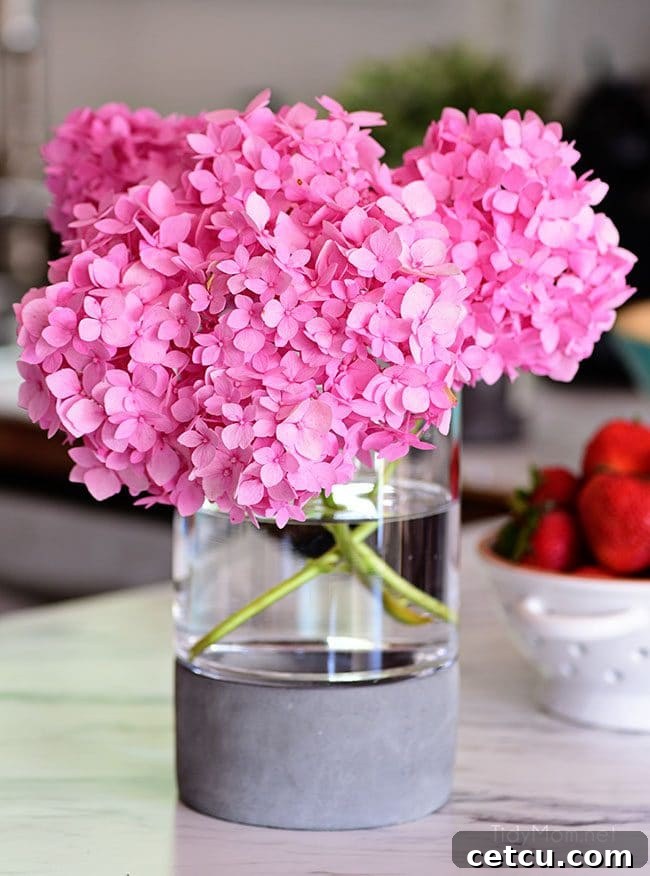
Nourishing Your Cut Hydrangeas: Secrets for a Healthy Arrangement
Once you’ve tackled the initial wilting problem with the alum treatment, the next phase of hydrangea care focuses on providing an optimal environment for your cut blooms to thrive. Just like any living organism, cut flowers require sustenance and protection from environmental threats to maximize their lifespan. There are a few simple, yet highly effective, additions you can make to your vase water that will significantly contribute to the health and longevity of your hydrangea arrangement, ensuring they remain vibrant and robust.
First and foremost, consider the role of nutrition. While cut flowers no longer have roots to draw nutrients from the soil, their cells still require energy to maintain turgidity and overall health. A fantastic and easily accessible nutrient source is common household sugar. By adding approximately a quarter cup of sugar to a vase filled with room temperature water, you provide a vital food source for the cut stems. The sugar acts as a carbohydrate, nourishing the cells of the flowers and stems, which in turn helps to keep them firm, fresh, and extends their beautiful display. Ensure the sugar dissolves completely to allow for even distribution and absorption by the flower stems.
Secondly, maintaining a clean and bacteria-free environment is paramount for any cut flower, and hydrangeas are no exception. Bacteria can rapidly multiply in standing water, clogging the delicate vascular tissues of the stems and hindering their ability to absorb water. This can lead to premature wilting, discoloration, and an overall shorter lifespan for your arrangement. To combat this unseen enemy, a surprising yet effective solution is to add a couple of pumps of liquid hand soap into the water, alongside the sugar. The soap works as an antibacterial agent, inhibiting the growth of harmful microorganisms in the vase water.
When selecting your soap, opt for a mild, clear, unscented hand soap to avoid any potential harm or discoloration to your flowers. The small amount of soap is sufficient to create an unfavorable environment for bacteria without causing damage to your precious blooms. Together, the sugar provides essential nourishment, and the soap acts as a protective shield, creating a synergistic effect that promotes a significantly healthier and longer-lasting hydrangea arrangement. These two simple additions are game-changers in advanced hydrangea care, moving beyond basic hydration to truly nurture your cut flowers.
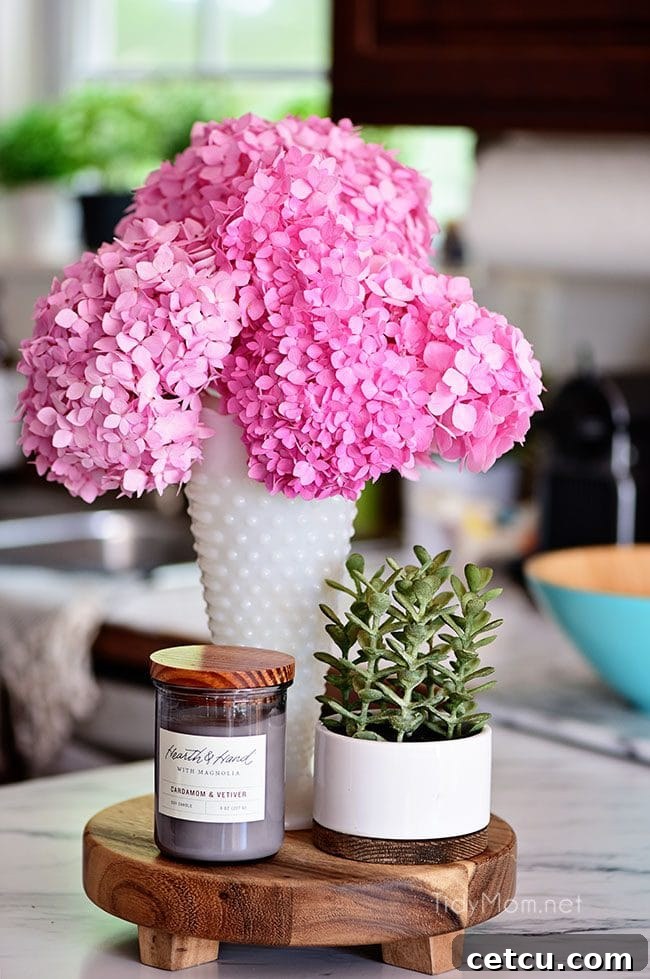
Precision Cutting for Peak Freshness: Techniques for Longevity
The journey to enjoying long-lasting cut hydrangeas doesn’t begin when you place them in a vase; it starts the moment you make the cut from the bush. The initial act of harvesting your blooms plays a critical role in their subsequent ability to hydrate and remain fresh. Proper cutting techniques are fundamental to effective hydrangea care, ensuring that the flowers can efficiently absorb the water and nutrients they need to sustain their beauty once indoors. Paying attention to these details can make all the difference in the lifespan of your magnificent arrangements.
When it’s time to gather your hydrangeas, always use a sharp knife or a clean, sharp pair of floral shears. Dull tools can crush the delicate vascular tissues of the stem, impeding water uptake from the very beginning. More importantly, be sure to cut the stems at a sharp angle, rather than straight across. A 45-degree angle is ideal. The science behind this is straightforward yet incredibly effective: cutting the stem at an angle increases the surface area through which the stem can draw water. A larger exposed surface means more water can be absorbed simultaneously, providing crucial hydration to the thirsty blooms. Additionally, an angled cut prevents the stem from sitting flush against the bottom of the vase, which could otherwise block the water intake even if the stem is properly prepared. This ensures a continuous and unobstructed pathway for hydration.
Another crucial step in preparing your hydrangeas for longevity involves judiciously removing the leaves from the lower parts of the stems. Before arranging your flowers, strip off any leaves that would fall below the waterline in your vase. This practice serves two important purposes. Firstly, leaves submerged in water will quickly begin to decompose, fostering the growth of bacteria and other microorganisms in the vase. As discussed earlier, this bacterial growth can clog the stems and significantly shorten the life of your flowers. Removing these submerged leaves actively prevents this detrimental process, keeping your water cleaner for longer.
Secondly, and perhaps even more critically for hydrangeas, the leaves are major consumers of water. They transpire moisture into the air, and while essential for the living plant, once cut, these leaves compete with the flower head for the limited water available in the vase. By removing excess foliage, particularly any leaves that aren’t aesthetically vital to the arrangement, you allow the maximum amount of water to be directed to the thirsty blooms. This ensures that the beautiful flower heads receive the primary share of hydration, keeping them plump, vibrant, and extending their impressive display in your home. These thoughtful cutting and preparation steps are cornerstones of successful hydrangea care, setting your arrangement up for enduring beauty.
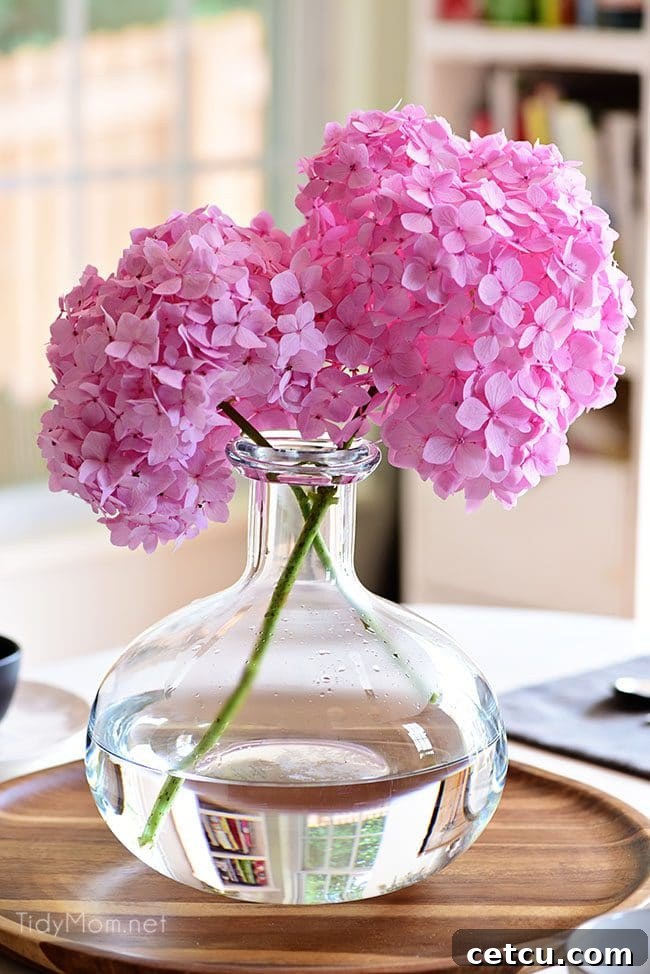
Advanced Hydrangea Arrangement Tips for Enduring Beauty
With the foundational knowledge of proper cutting techniques, effective sap management, and essential water additives, you’re well on your way to creating stunning, long-lasting hydrangea arrangements. However, a few additional considerations in how you arrange and maintain your flowers can further enhance their longevity and preserve their exquisite beauty. These refined tips will help you avoid common pitfalls and ensure your hydrangeas remain a captivating focal point in your home for as long as possible.
One common mistake that can inadvertently shorten the life of your cut hydrangeas is overcrowding the vase. While the temptation to create a dense, luxurious bouquet is understandable, stuffing too many flowers into a single container can be detrimental. When hydrangeas are packed too tightly, their large blooms and remaining foliage compete for air circulation, light, and crucially, access to the water in the vase. The stems can become compressed, hindering their ability to draw up water efficiently, even if they’ve been properly prepared. Moreover, poor air circulation around the blooms can encourage the growth of mold or mildew, especially if humidity levels are high. Therefore, strive for an arrangement that allows each bloom a little breathing room, ensuring optimal access to resources and promoting a healthier, longer-lasting display. If you have an abundance of hydrangeas, consider using multiple vases or a wider container to give each stem the space it needs to thrive.
Another critical aspect of maintaining fresh hydrangeas is the consistent replenishment of their water supply. Even with the addition of sugar and soap to prevent bacterial growth and provide nutrients, the water in your vase will inevitably become depleted and degrade over time. Hydrangeas are particularly thirsty flowers, and they will rapidly absorb the water, necessitating frequent top-ups. Furthermore, despite your best efforts, some bacterial residue can still accumulate, and the dissolved nutrients will eventually be used up. To counteract these effects, it is highly recommended to change the water entirely every two days, or at the very least, replenish it daily if it looks low or cloudy.
When changing the water, it’s also an excellent opportunity to re-trim the stems. A fresh, angled cut (as described previously) will reopen any channels that might have begun to seal, further boosting water absorption. This simple, regular maintenance routine ensures that your hydrangeas continuously receive fresh, clean, and nutrient-rich hydration, which is vital for their sustained vibrancy. By diligently attending to these advanced arrangement tips – avoiding overcrowding and committing to regular water changes and stem re-cuts – you will empower your hydrangeas to maintain their breathtaking allure for much longer, allowing you to fully enjoy the splendor of your hard-won blooms.
Now that you are equipped with all the best tricks and expert tips for achieving stunning, long-lasting hydrangeas, it’s time to put your knowledge into practice. Head out to your garden, select your most beautiful blooms, and confidently cut your favorite ones. With these proven strategies, you can transform your home with exquisite, vibrant arrangements that will amaze and delight for days on end. Get ready to enjoy the timeless elegance of hydrangeas like never before!
Share the Beauty: Pin This Guide!