
Master the Art of Laundry: Expert Tips for Cleaner Clothes and Less Stress
Laundry, often seen as an unending cycle of sorting, washing, and folding, can feel like a perpetual burden. However, approaching this essential household chore with the right techniques can revolutionize your entire routine. By mastering a few savvy laundry tips, you’ll not only achieve impeccably clean and fresh garments but also significantly cut down on time, save money on costly mistakes, and reduce overall laundry-related stress. This comprehensive guide will transform your least favorite chore into an efficient and rewarding process, ensuring your clothes always look their absolute best, every time you pull them from the drawer.

Share these invaluable laundry tips on Pinterest!
How To Do Laundry The Right Way
Every load of laundry presents an opportunity to care for your garments, preserve their quality, and maintain their appearance. By adopting strategic approaches, you can extend the life of your clothes, reduce the need for replacements, and make laundry day a more manageable task. Let’s delve into the specifics of doing laundry the right way, ensuring longevity and freshness for all your fabrics.
Understanding Laundry Basics for Optimal Results
Before you even think about tossing clothes into the washing machine, a few fundamental steps can dramatically improve your laundry outcomes. These basic principles not only contribute to cleaner clothes but also protect your garments from damage and prolong their lifespan.
Sorting Your Laundry: The First Crucial Step
Proper sorting is the cornerstone of successful laundry. Separating clothes into categories is essential to prevent damage, color transfer, and ensure each item receives the appropriate care. Consider these essential sorting groups:
- Whites: This category includes all pure white garments like underwear, socks, T-shirts, and linens. Washing them together allows for hot water cycles and the effective use of bleaching agents without fear of discoloration.
- Lights: Pastel colors and very light-colored clothing that aren’t pure white, such as light yellows, pinks, and blues, should be grouped here. These can often be washed in warm or cool water.
- Darks: Dark blues, blacks, browns, grays, and deep purples belong in this group. Always wash darks in cold water to prevent fading and to minimize dye transfer onto other items.
- Brights: Vibrant reds, oranges, electric blues, and bright greens should be washed together. New bright items are especially prone to bleeding dye, so it’s wise to test them for colorfastness or wash them separately for the first few cycles.
- Delicates: Lingerie, silk, lace, finely knit items, and other fragile garments require special attention. They often benefit from a gentle cycle, cold water, and being placed in a mesh laundry bag to prevent snagging or stretching.
- Heavily Soiled Items: Work clothes, mud-stained children’s play clothes, or items with excessive grime might need a separate, heavy-duty wash cycle or targeted pre-treatment to ensure thorough cleaning without transferring dirt to less soiled items.
Deciphering Care Labels: Your Garment’s Instruction Manual
Often overlooked, the small care label sewn into your garment holds crucial information about its proper care. These symbols indicate recommended wash temperature, drying methods, bleaching instructions, and ironing settings. Ignoring these instructions can lead to undesirable outcomes like shrinking, stretching, fading, or permanent damage. Take a moment to understand these symbols, especially for new or unfamiliar fabrics.
The Art of Pre-treating: Attacking Stains Early
Addressing stains before they have a chance to set is paramount for successful stain removal. Always pre-treat visible stains as soon as possible. While different types of stains require specific treatments, a general rule of thumb is to blot (not rub) the stain and to work from the outside of the stain inwards to prevent it from spreading.
Choosing the Right Detergent and Water Temperature
Selecting an appropriate detergent is key. Ensure it’s suitable for your washing machine type (HE for high-efficiency machines) and adjust the dosage according to the load size and soil level. Overdosing detergent can leave residue on clothes and in the machine, while underdosing might not clean effectively. As for water temperature, most laundry can be cleaned effectively in cold water, which not only saves energy but is also gentler on clothes, especially colored items. Use warm water for moderately soiled clothes and hot water for whites, heavily soiled items, or when sanitization is required.
The Dynamic Duo: Baking Soda and Bleach
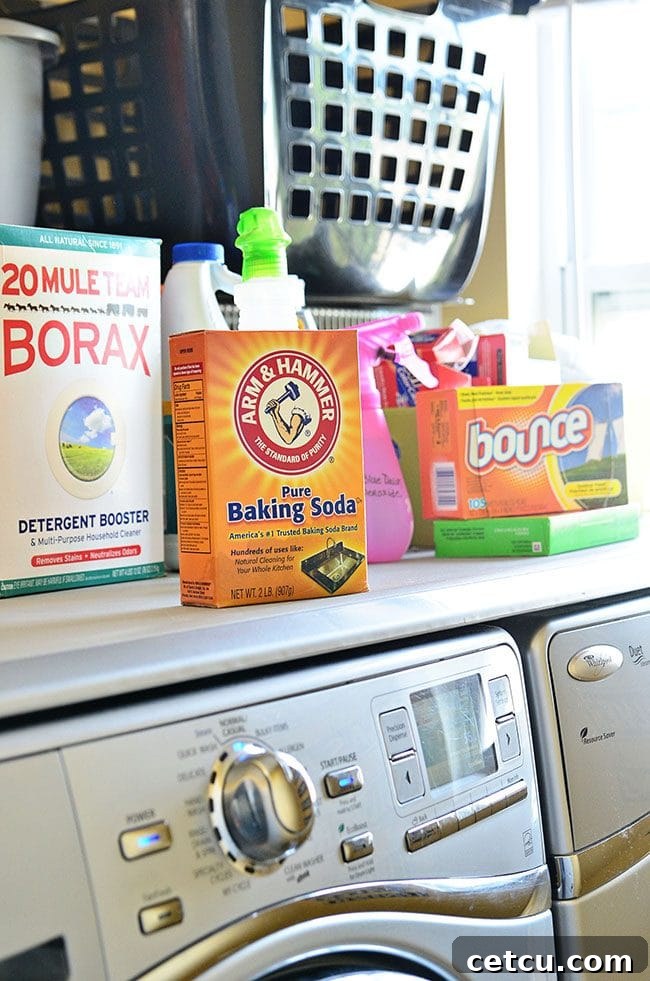
Baking soda (sodium bicarbonate) is a remarkably versatile household staple, and its benefits extend powerfully into the realm of laundry care. While commonly celebrated for its potent odor-neutralizing capabilities, baking soda also possesses inherent natural whitening and brightening properties. For those who prefer to minimize their reliance on harsh chemicals, or are looking for a gentler approach to laundry, baking soda offers an excellent, eco-friendly alternative to achieve brighter whites and fresher-smelling clothes.
However, one of baking soda’s most compelling laundry applications is its remarkable ability to act as a natural boosting agent for conventional chlorine bleach. When combined, baking soda works synergistically with bleach, enhancing its efficacy while simultaneously mitigating some of its strong, sometimes overpowering, chemical odor. The mild alkalinity of baking soda helps to balance the pH of the wash water, which can improve the performance of both detergent and bleach. Instead of resorting to a full cup of bleach for your white loads, try a more balanced and effective approach: add just 1/2 cup of chlorine bleach along with 1/2 cup of baking soda directly into the wash cycle. This simple adjustment allows you to achieve the same, if not better, whitening and sanitizing results with half the amount of bleach, making your laundry routine more environmentally friendly, cost-effective, and less abrasive on fabrics. The baking soda helps to buffer the bleach, making it more effective at breaking down dirt and stains while leaving behind a much milder scent. This combination not only leaves your whites sparkling but also tackles tough odors that detergents alone might miss.
Tackling Dried Stains Effectively
A dried stain can often feel like a permanent fixture on your favorite garment, a disheartening testament to a forgotten spill. While it’s certainly more challenging to remove a stain once it has set and dried, it is by no means impossible. The key is persistence, patience, and the right approach to re-activate and lift the stubborn mark.
Begin by attempting to repeat the initial steps you would use for an individual, fresh stain. This might involve applying a targeted stain remover specific to the stain type (e.g., enzyme cleaner for protein stains, solvent for oil-based stains), gently working it into the fabric with a soft brush or your finger, or flushing the area with water from the back of the fabric to push the stain out. For more stubborn, dried-in stains, a more intensive approach is often necessary. Soaking the garment can work wonders, rehydrating the stain particles and making them easier to lift. Consider using a powerful DIY miracle cleaner stain remover, formulated to tackle a broad spectrum of tough marks. These homemade solutions often combine common household ingredients to create a potent stain-fighting mixture.
For white clothes specifically, leverage the natural bleaching properties of lemon juice and direct sunlight. Apply fresh lemon juice directly to the dried stain, ensuring the area is thoroughly saturated, then lay the garment out in direct sunlight. The powerful ultraviolet (UV) rays from the sun, combined with the mild acidic properties of the lemon juice, create a natural bleaching action that can effectively fade or even completely remove many types of dried stains, particularly those that are organic in nature. This method is not suitable for colored garments as it can cause bleaching and fading. However, it is crucial to thoroughly rinse the clothing to remove all traces of lemon juice before rewashing it, as residual acid could potentially damage the fabric fibers over time if not fully neutralized and rinsed away.
Reviving Dingy Whites: A Triple Soak Method
Over time, even the brightest white fabrics can lose their pristine luster, succumbing to a yellowish tint or a dull, grayish cast. This “dinginess” is often caused by a combination of factors: residue buildup from detergents and fabric softeners, hard water minerals, body oils, and even subtle color transfer from other garments mistakenly washed together. Instead of resigning your once-pristine whites to the rag pile, try this highly effective triple soak method to restore their brilliant crispness and renewed appearance.
- First Soak: Liquid Dish Soap Solution
Begin by preparing a solution designed to cut through grease, grime, and accumulated detergent residue. Fill a clean bucket with warm water and add approximately 2 tablespoons of liquid dish soap. Opt for a clear, unscented dish soap if possible to avoid adding more dyes or fragrances to your whites. The powerful degreasing agents in dish soap are excellent at breaking down accumulated oils and dirt that contribute to the dingy appearance. Submerge your white garments completely in this solution and allow them to soak for at least 30 minutes. For severely discolored items, you can extend the soaking time to a few hours, or even overnight. - Second Soak: Ammonia Solution
After the initial dish soap soak, thoroughly rinse the whites under cool, running water until all suds are completely gone. Next, prepare a second soaking solution: a bucketful of water mixed with 2 tablespoons of clear household ammonia. Ammonia is a potent degreaser and can significantly help to break down stubborn mineral deposits, old detergent films, and body oils that often dull white fabrics. Soak the garments in this solution for another 30 minutes. It is crucial to use ammonia in a well-ventilated area due to its strong fumes, and under no circumstances should it ever be mixed with chlorine bleach, as this combination creates dangerous, toxic fumes. - Third Soak: Distilled White Vinegar Solution
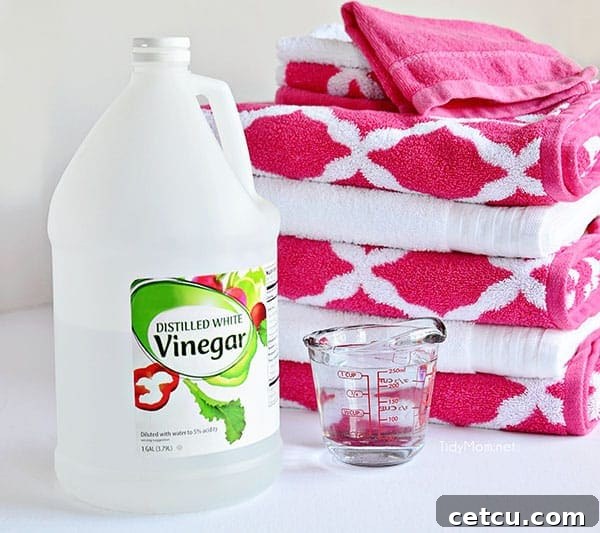
Finally, rinse the whites thoroughly again after the ammonia soak, ensuring no ammonia scent remains. For the last stage, prepare a bucket of warm water and add 2 tablespoons of distilled white vinegar. Vinegar acts as a natural fabric softener, brightener, and crucially helps to remove any residual soap or ammonia, restoring the fabric’s natural pH balance. It also helps to eliminate any lingering odors from the previous soaks or the garments themselves. Allow the clothes to soak for a final 30 minutes in the vinegar solution.
After completing the triple soak method, rinse your whites thoroughly under cool, running water until the water runs completely clear and no scent of the soaking solutions remains. Then, proceed to machine wash them as you normally would with your preferred laundry detergent. This multi-step soaking process, though it requires a bit of time, will leave your whites looking remarkably brighter, cleaner, and feeling wonderfully refreshed and soft to the touch.
Eliminating Mildew Smells and Stains
Few things are as frustrating as discovering a load of wet laundry that was forgotten in the washing machine, only to return to a sour, musty smell. This unpleasant aroma is a telltale sign of mildew, a common type of fungus that thrives in damp, dark, and poorly ventilated environments. Addressing mildew promptly is crucial, not just for eradicating the smell but also to prevent potential fabric damage and further fungal growth.
Tackling Mildew Smells (No Visible Stains):
If your clothes smell musty but show no visible mildew spots, a simple rewash can often solve the problem. For white fabrics, add a cup of chlorine bleach to the wash cycle. Chlorine bleach is a highly effective disinfectant and oxidizer, excellent at killing mildew spores and sanitizing the fabric, thereby eliminating the odor source. For colored clothing, which can be damaged by chlorine bleach, opt for a color-safe oxygen bleach. This type of bleach uses hydrogen peroxide or sodium percarbonate to gently lift stains and neutralize odors without stripping dyes. Always follow the product instructions for the correct dosage to ensure efficacy and safety. For specific guidance on salvaging smelly towels, refer to how to remove musty mildew smell from towels, which provides detailed steps.
Dealing with Mildew Stains:
If mildew has progressed to the point of visible black or grayish stains on your garments, a more aggressive and targeted treatment is necessary:
- For White Clothing: Chlorine bleach remains the most effective solution for removing deep-set mildew stains from white garments. You can either apply diluted bleach directly to the stained area (always test on an inconspicuous spot first) or add it to the wash cycle as directed. Always ensure the fabric is bleach-safe by carefully checking the garment’s care label to avoid permanent damage.
- For Colored Clothing: Since chlorine bleach can irreversibly damage colors, use a color-safe alternative. Create a powerful stain-fighting mixture using 1 teaspoon of color-safe oxygen bleach powder (mixed with water to form a paste, if powder) and 1 cup of hydrogen peroxide. Sponge this mixture directly onto the stained areas, ensuring thorough saturation. Allow it to sit for a few minutes to work its magic, as hydrogen peroxide is a mild bleaching agent that is generally safe for most colors. After treatment, rinse the clothing thoroughly to remove all solution and then rewash it with your regular detergent.
- Borax Solution: Clothes with persistent mildew smells or light, superficial stains may also benefit significantly from soaking in a borax solution. Dissolve about half a cup of borax in a gallon of warm water, then submerge the affected garments for several hours or even overnight. Borax helps to inhibit fungal growth, acts as a deodorizer, and boosts the cleaning power of your detergent. After soaking, proceed to wash the clothes as usual.
To prevent mildew from forming in the first place, always remove wet clothes from the washer promptly and either transfer them to the dryer or hang them to air dry immediately. Avoid leaving damp items in laundry baskets. Ensure your laundry room is well-ventilated, and regularly clean your washing machine to prevent mildew buildup within the appliance itself, especially around the detergent dispenser and rubber gasket of front-loaders.
Keeping Colors Vibrant: Preventing Bleeds
One of the most disheartening laundry mishaps is when a vibrant new garment bleeds its dye, tragically staining an entire load of lighter-colored clothes. Protecting your colored fabrics from fading and preventing dye transfer is crucial for maintaining their original appearance and the overall integrity of your entire wardrobe. Fortunately, there are several simple, yet highly effective strategies to safeguard your colors and ensure they stay brilliant wash after wash.
Salt as a Dye Stabilizer:
For new colored fabrics, especially those with rich or intensely saturated dyes that are prone to bleeding, adding 1/2 cup of plain table salt directly to the wash cycle can significantly help to set the dye and prevent it from running. Salt acts as a mordant, which is a substance that helps dye molecules bind more securely to the fabric fibers during the washing process, making them less likely to leach out. This method is particularly useful for the first few washes of a new item, especially dark denim or brightly colored cottons.
The Magic of Color Catchers:
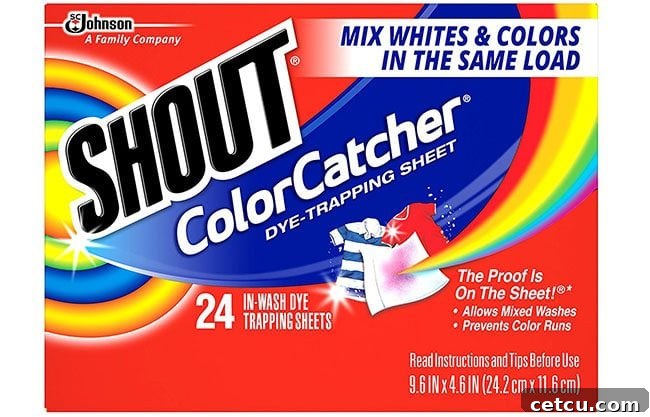
A truly indispensable and revolutionary product for ultimate color protection is the Shout Color Catcher (or similar brands like Carbona Color & Dirt Grabber). These remarkable sheets are specifically designed to absorb loose dyes that bleed into the wash water, effectively trapping them and preventing them from depositing onto other garments. You simply toss one sheet (or more for large, heavily bleeding loads, or mixed color washes) into the washing machine with your clothes. It’s one of the most effective and convenient laundry products available, allowing you to wash mixed loads with greater confidence! A clever tip to maximize their value and minimize waste: a single sheet can often be used multiple times until it is visibly saturated with dye, so don’t toss it after just one wash if it still looks relatively clean.
Additional Tips for Optimal Color Care:
- Wash in Cold Water: Always prioritize washing colored garments in cold water whenever possible. Cold water helps to keep the dye molecules “locked” within the fabric fibers, significantly preventing them from releasing and causing fading or bleeding compared to warm or hot water.
- Turn Garments Inside Out: Before washing, turn all colored clothes inside out. This simple action reduces friction on the outer surface of the fabric during the wash and spin cycles, which helps prevent fading and minimizes the formation of unsightly pills.
- Separate Prudently: Even with color catchers, it’s always wise to exercise caution and separate very dark colors (like black or deep indigo) from very light ones, especially for the first few washes. This provides an extra layer of protection against unexpected dye transfer.
- Test for Colorfastness: If you’re unsure about the colorfastness of a new, brightly colored item, perform a quick test. Dampen an inconspicuous area (like an inside seam) with a wet cotton swab or white cloth. If dye transfers to the swab, wash the item separately for its first few cycles until the dye runoff subsides.
The Secret Weapon: Vinegar in Your Laundry
Distilled white vinegar is an unsung hero in the laundry room, offering a myriad of benefits that make clothes softer, cleaner, and fresher without relying on harsh chemicals or synthetic fragrances. Its mild acidity, antibacterial properties, and deodorizing capabilities work wonders in various stages of the wash cycle, making it a versatile and eco-friendly additive.
- Softening Blankets: For cotton or washable wool blankets that often come out of the wash feeling stiff, scratchy, or matted, adding 2 cups of white vinegar to the final rinse cycle can make a significant difference. The vinegar helps to dissolve residual detergent and minerals that can stiffen fibers, leaving blankets wonderfully soft and fluffy. It also ensures all soap is thoroughly rinsed away, which is particularly beneficial for individuals with sensitive skin or allergies.
- Natural Clothes Softener: Ditch expensive, chemical-laden commercial fabric softeners and embrace the natural power of vinegar. Adding 1/2 cup of white vinegar to the last rinse cycle of your wash will naturally soften clothes. It works by helping to break down alkaline detergent residues, leaving fabrics softer to the touch, reducing stiffness, and making them less prone to static cling. Don’t worry about the smell; the vinegar scent dissipates completely as clothes dry, leaving no lingering odor.
- Lint Reduction: If you’re constantly battling lint buildup on your clothes or finding pet hair clinging stubbornly to fabrics even after a wash, vinegar is your simple solution. Incorporating 1/2 cup of white vinegar into the final rinse cycle helps to relax fabric fibers. This relaxation allows lint, pet hair, and other debris to be more easily rinsed away by the water, preventing them from redepositing onto your clothing. This results in noticeably cleaner clothes and reduced lint transfer to other garments in the load.
- Static Cling Control: Static cling is not only annoying and uncomfortable but can also make clothes difficult to separate and wear. A simple and effective way to control static cling is by adding 1/2 cup of white vinegar to the last rinse cycle of your wash. The vinegar neutralizes the electrical charges that cause static buildup, leaving your clothes smoother, easier to handle, and free from cling.
- Odor Elimination: Vinegar is a powerful natural deodorizer. For sweaty gym clothes, musty towels, or clothes with lingering odors (like smoke or food smells), add a full cup of white vinegar to the wash cycle or use it as a pre-soak. Its acetic acid penetrates fabric fibers to neutralize odor-causing bacteria and break down unpleasant smells, leaving clothes smelling truly fresh.
- Brightening and Whitening: Similar to baking soda, vinegar can also act as a mild brightener for whites and help to preserve the vibrancy of colors by removing dulling residues. Add 1/2 cup to your wash cycle along with your regular detergent.
- Washing Machine Cleaner: Beyond cleaning your clothes, vinegar is excellent for maintaining your washing machine itself. Run an empty hot water cycle with two cups of white vinegar to deep clean the machine, remove detergent and fabric softener buildup, eliminate mineral deposits, and combat musty odors within the appliance.
The acidic nature of vinegar makes it a safe and highly effective, natural alternative for many laundry needs, particularly beneficial for those with sensitive skin, allergies to commercial laundry additives, or anyone looking to reduce their environmental footprint. Always ensure you’re using plain white distilled vinegar, not apple cider vinegar or other types, which could potentially stain clothes due to their color or sugar content.
Maintaining Your Washing Machine for Peak Performance
Your washing machine is a workhorse, diligently keeping your clothes clean and fresh. However, like any appliance, it requires regular maintenance to function optimally, prevent unpleasant odors, and avoid transferring residue or grime back onto your laundry. A well-maintained washing machine ensures truly cleaner clothes and significantly prolongs the appliance’s lifespan, saving you money on repairs or early replacement.
- Regular Cleaning Cycles: At least once a month, run an empty hot water cycle with a specialized washing machine cleaner, two cups of white vinegar, or half a cup of baking soda. This process effectively removes detergent buildup, mineral deposits from hard water, and mildew that can accumulate in the drum, hoses, and hidden crevices. For front-loading machines, pay special attention to the rubber gasket around the door. This area is prone to mold and mildew growth due to trapped moisture; wipe it down regularly with a diluted bleach solution or vinegar.
- Leave the Door Ajar: After each use, make it a habit to leave the washer door (and the detergent dispenser drawer, if applicable) slightly open. This simple action allows air to circulate freely within the drum and tub, enabling the interior to dry completely. Proper ventilation is crucial for preventing the growth of mold and mildew, especially in high-efficiency front-loading machines which have tighter seals.
- Clean the Detergent Dispenser: Over time, detergent, fabric softener, and bleach residues can build up in the dispenser compartments. If your machine has removable dispenser components, take them out and rinse them thoroughly under warm water. If they are non-removable, wipe them down regularly with a damp cloth or an old toothbrush to remove any sticky buildup.
- Inspect Hoses and Filters: Periodically inspect the water inlet hoses for any signs of wear, cracks, bulges, or leaks. Hoses should be replaced every five years or so to prevent burst pipes and potential water damage. Additionally, check and clean the pump filter (if your machine has one, typically located at the bottom front) every few months. This filter traps lint, coins, buttons, and other small items that could otherwise clog the drainage system and impair your machine’s performance.
Sustainable Laundry Practices for a Greener Home
Adopting eco-friendly laundry habits not only benefits the planet by reducing energy and water consumption but can also save you money on utility bills and extend the life of your clothes, contributing to a more sustainable household.
- Wash with Cold Water: As previously mentioned, washing in cold water is highly effective for most laundry loads and significantly reduces energy consumption. Heating water accounts for a large portion of a washing machine’s total energy use, so switching to cold water is one of the easiest ways to make your laundry routine greener. Modern detergents are formulated to clean just as effectively in cold water.
- Full Loads Only (or Adjust Settings): Wait until you have a full load before running the washer. This maximizes efficiency, as the machine uses roughly the same amount of energy and water whether it’s full or half-empty. For smaller loads that can’t wait, always use the appropriate load size setting on your machine to minimize water and energy waste.
- Use Eco-Friendly Detergents: Opt for biodegradable, phosphate-free, and plant-based detergents that are gentler on the environment and waterways. Look for concentrated formulas, which require less packaging and reduce transportation emissions. Powdered detergents often have less packaging than liquid counterparts.
- Air Dry When Possible: Reduce your reliance on your electric dryer by air-drying clothes on a line outdoors or using an indoor drying rack. This simple habit saves a significant amount of energy, extends the life of your clothes (as high heat can damage fibers and elastic), and is incredibly gentle on delicate items, preventing shrinking and stretching. Plus, sun-dried clothes often have a naturally fresh scent.
- Clean Dryer Lint Filter After Every Load: This is a critical safety and efficiency tip. Cleaning the lint filter after every single load not only improves dryer efficiency and saves energy (as a clogged filter restricts airflow, making the dryer work harder) but also prevents fire hazards.
- Consider Dryer Balls: Instead of chemical-laden dryer sheets, use wool dryer balls. These reusable balls help to reduce drying time by creating space between garments and absorbing moisture. They also naturally soften fabrics and decrease static cling without the use of synthetic chemicals or fragrances. Wool dryer balls are a one-time purchase that can last for hundreds of loads.