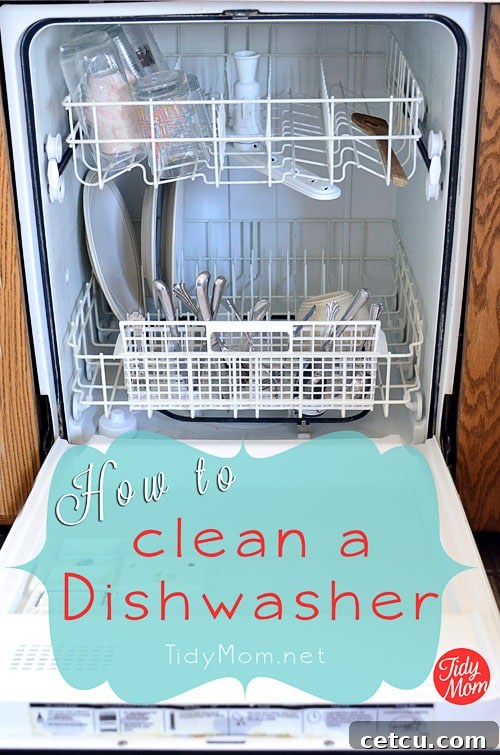
How to Deep Clean Your Dishwasher: The Ultimate Guide for a Sparkling Kitchen Appliance
In every home, the dishwasher plays a crucial role, tirelessly washing away food residue from our plates, glasses, and cutlery. Yet, it’s often an appliance we forget needs cleaning itself. While it works hard to keep your dishes spotless, over time, your dishwasher can accumulate grime, grease, food particles, and stubborn hard water deposits. This buildup isn’t just unsightly; it can lead to unpleasant odors, reduce cleaning efficiency, and even shorten the lifespan of your valuable appliance. But don’t worry, keeping your dishwasher in pristine condition is far simpler than you might think!
The interest in maintaining a truly clean dishwasher is universal. As the seasons shift and the spirit of renewal fills the air, many of us are inspired to tackle those often-overlooked cleaning tasks, with spring cleaning being a popular time to refresh our homes. A deep-cleaned dishwasher is a fundamental step towards a healthier, more functional kitchen, ensuring that the heart of your home stays fresh and inviting.
This comprehensive guide will walk you through a simple, natural, and highly effective method to deep clean your dishwasher using everyday household ingredients. Prepare to eliminate those persistent odors, banish hard water stains, and restore your dishwasher to its optimal performance, making your cleaning routine effortless and rewarding.
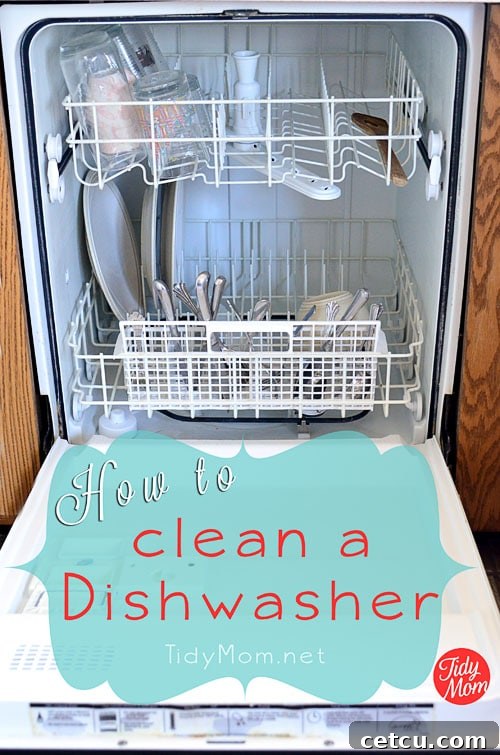
Why Cleaning Your Dishwasher is Absolutely Essential for Every Home
It might seem illogical to clean an appliance whose primary function is to clean. However, your dishwasher is constantly exposed to a challenging mix of food scraps, grease, detergent residue, and the various minerals present in your tap water. Over time, these elements combine to form a breeding ground for bacteria and mold, contributing to a less-than-ideal internal environment. Here’s a deeper look into why regular dishwasher cleaning isn’t just a suggestion, but a crucial part of home maintenance:
- Eliminate Stubborn Odors: The most common sign that your dishwasher needs attention is a persistent, foul smell. This is typically caused by trapped food particles, grease, and bacterial growth in hidden crevices and the drainage system. A clean dishwasher means a fresh-smelling kitchen.
- Enhance Cleaning Performance: When spray arms become clogged with food debris or mineral deposits, they can’t effectively distribute water and detergent. Similarly, a dirty filter impedes proper drainage and circulation. The result? Dishes come out with spots, film, or even stuck-on food. Cleaning ensures unobstructed water flow and optimal detergent action, leading to sparkling clean dishes every time.
- Prevent Costly Clogs and Maintenance Issues: Accumulations of food debris, especially greasy remnants, can easily clog the internal drainage pipes and filters. This can lead to inefficient operation, standing water in the tub, and eventually, expensive repair calls. Regular cleaning prevents these blockages from forming.
- Combat Hard Water Buildup: Many regions have hard water, which is rich in minerals like calcium and magnesium. These minerals leave behind white, chalky deposits, known as limescale, on the interior surfaces of your dishwasher and on your dishware. Vinegar, with its acidic properties, is a remarkably effective natural agent for dissolving these mineral stains.
- Extend Your Appliance’s Lifespan: Just like any other machine, your dishwasher requires regular maintenance to function optimally and last longer. Keeping its components free from buildup and blockages reduces strain on the motor and other moving parts, ensuring years of reliable service and delaying the need for premature replacement.
- Improve Hygiene and Sanitation: While dishwashers operate at high temperatures, mold and bacteria can still thrive in damp, enclosed spaces with food residue. Cleaning helps to sanitize the interior, reducing germ buildup and creating a much healthier environment for washing the items you eat off of.
By making dishwasher cleaning a regular part of your home maintenance schedule, you can proactively prevent issues, maintain optimal performance, and enjoy the peace of mind that comes with a truly clean kitchen appliance.
The Dynamic Duo: Cleaning Your Dishwasher with Vinegar and Baking Soda
Forget about harsh chemical cleaners with their strong fumes and potential for corrosive damage. To achieve a flawlessly clean dishwasher, you only need two common, inexpensive, and environmentally friendly household staples: distilled white vinegar and baking soda. This powerful yet gentle combination effectively tackles the most prevalent dishwasher problems, from stubborn grime and mineral deposits to persistent odors, without introducing harmful substances into your home.
Essential Supplies for Your Dishwasher Deep Clean:
- Distilled White Vinegar: The star of the show. Its acetic acid content acts as a natural degreaser, descaler (dissolves hard water mineral deposits), deodorizer, and a mild disinfectant.
- Baking Soda (Sodium Bicarbonate): Vinegar’s perfect partner. Its alkaline properties are excellent at neutralizing and absorbing odors, while its fine granular texture provides a gentle abrasive for scrubbing away tough stains without damaging surfaces.
- Small Brushes: An old, soft toothbrush, Q-tips, or even toothpicks are invaluable for reaching into tight corners, spray arm nozzles, and gasket crevices where grime loves to accumulate.
- Soft Cloths or Microfiber Towels: Ideal for wiping down surfaces, soaking up grime, and drying the interior and exterior of your machine.
- Paper Towels: Convenient for the initial removal of loose food debris and for drying.
- Dish Soap (Optional): A small amount may be needed for stubborn grease on removable components.
- Non-Abrasive Stainless Steel Cleaner (Optional): For maintaining the pristine finish of your dishwasher’s exterior if it’s stainless steel.
Comprehensive Step-by-Step Guide to Deep Cleaning Your Dishwasher
Follow these detailed instructions to ensure every part of your dishwasher is thoroughly cleaned, leaving it fresh, hygienic, and perfectly ready to handle your next load of dishes with efficiency.
-
Empty and Conduct an Initial Inspection of the Interior
Begin by making sure your dishwasher is completely empty. Remove all dishes, cutlery, and any other items. This crucial first step provides you with unrestricted access to all internal components. Take a moment to visually inspect the bottom of the tub. Look carefully for any large food scraps, broken pieces of glass, small plastic tags, or other debris that may have fallen during previous cycles. These items can easily obstruct the spray arms or clog the filter, so remove them gently using paper towels or your gloved hand.
-
Prepare a Cleaning Solution and Remove All Removable Components
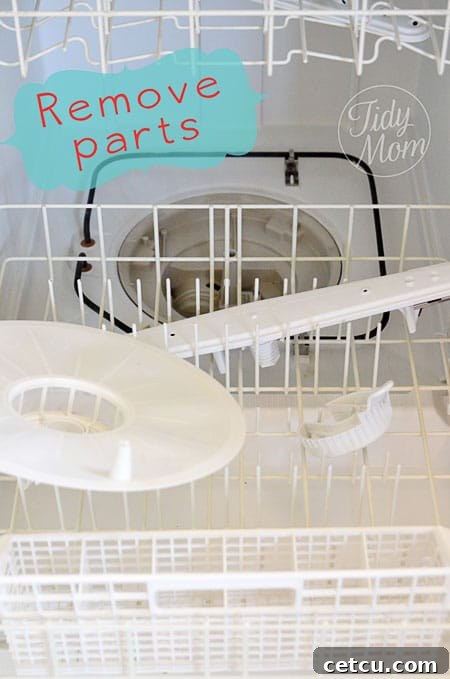
In one side of your kitchen sink, create a warm water bath and add approximately 1 to 2 cups of distilled white vinegar. This vinegar-infused water will serve as your soaking and wiping solution. Next, carefully detach and remove all components that can be pulled out from your dishwasher. This typically includes the lower and upper racks, the utensil basket, and any caps or covers from the spray arms. Many modern dishwashers also feature a removable filter assembly at the bottom; consult your appliance’s user manual if you are unsure how to safely remove it. Place all these removable parts into the vinegar-water solution in the sink to soak. This will start loosening stubborn food residue and dissolving mineral buildup while you attend to the fixed interior parts.
-
Thoroughly Clean the Spray Arms and Filter System
While your racks are soaking, turn your attention to the spray arms, usually located on the top, middle, and bottom of the dishwasher. These components are vital for water distribution. If they are easily detachable, carefully remove them (refer to your manual if necessary). Use a toothpick, a small bottle brush, or an old toothbrush to meticulously clear any clogged holes on the spray arms. Tiny food particles and hard water deposits frequently block these jets, severely impairing water flow and cleaning effectiveness. If your dishwasher has a removable filter system at its base, disassemble and clean it thoroughly. Most filters consist of a coarse mesh cylinder and a finer microfilter. Rinse them under warm running water, gently scrubbing with a soft brush and a little dish soap if you encounter greasy or slimy buildup. Reassemble the filter components securely once they are clean.
-
Hand-Clean the Dishwasher Interior and Door Gasket
Now, dip a soft cloth into your vinegar-water solution and meticulously wipe down the entire interior of the dishwasher. This includes the inner walls, the floor, and especially the inside of the door. Pay particular attention to the rubber gasket that seals the door. This area is a notorious trap for food particles, mold, and general grime. Utilize your old soft toothbrush or Q-tips, dipped in the vinegar solution, to vigorously scrub along all the folds, creases, and hidden nooks of the gasket. For exceptionally stubborn, dried-on gunk, create a thick paste using baking soda and a small amount of water. Apply it to the affected area, allow it to sit for a few minutes to soften the grime, then gently scrub with a toothbrush and wipe clean.
-
Carefully Reassemble All Components
After you have diligently cleaned all the individual parts and the interior surfaces, thoroughly rinse the soaked racks and spray arms under clean water to remove any lingering food bits or loosened grime. Ensure everything is completely free of debris. Then, carefully reassemble the spray arms, filter system, racks, and utensil basket back into their correct positions inside the dishwasher. Double-check that all parts are securely placed and can move or spin freely without obstruction.
-
Execute the Vinegar Wash Cycle for Deep Cleaning and Deodorizing
This step is the ultimate sanitizing and descaling treatment. Place an open, dishwasher-safe bowl or measuring cup containing 2 cups of distilled white vinegar on the top rack of your now empty dishwasher. Alternatively, you can simply pour the 2 cups of vinegar directly into the bottom of the dishwasher tub. Close the door and select a hot water wash cycle, such as “Heavy,” “Pots & Pans,” or “Sanitize.” The hot vinegar will circulate throughout the entire system, effectively breaking down any remaining grease, dissolving hard water stains, and neutralizing odors in the tub, pump, and hoses. For an even more intensive clean, consider pausing the cycle midway and allowing the vinegar to sit and soak for approximately 20-30 minutes, or even overnight if you wish, before resuming the cycle to completion. This extended contact time allows the vinegar to work more effectively on tough deposits.
-
Optional: Follow-Up Baking Soda Cycle for Enhanced Odor Removal
Once the vinegar cycle has finished, your dishwasher’s interior should look noticeably cleaner and smell much fresher. For an extra boost in eliminating any faint lingering odors, or as a general maintenance step between deep cleans, sprinkle 1 cup of baking soda across the bottom of the empty dishwasher tub. Then, run a short, hot rinse cycle. The baking soda will act as a powerful odor absorber, ensuring your dishwasher is completely fresh and pristine.
-
Clean the Exterior and Apply Finishing Touches
Don’t overlook the outside! Wipe down the exterior surfaces of your dishwasher with a mild all-purpose cleaner and a soft cloth. If you have a stainless steel finish, use a specialized stainless steel cleaner to remove fingerprints, smudges, and grease, polishing along the grain for a brilliant, streak-free shine. Finally, use dry paper towels to wipe out the interior one last time, ensuring no residual moisture is left behind, especially if you won’t be using the dishwasher immediately.

Maintaining a Fresh Dishwasher: Essential Tips for Ongoing Care
Once your dishwasher is sparkling clean, the goal is to keep it that way for as long as possible. Integrating these simple practices into your daily and weekly routines can significantly reduce the need for frequent deep cleans and ensure your appliance consistently performs its best:
- Scrape Plates, Avoid Excessive Pre-Rinsing: Modern dishwashers and detergents are designed to handle some food particles, which are sometimes necessary for enzyme-based detergents to activate. However, always scrape large food scraps, bones, and excessive grease into the trash before loading. Excessive pre-rinsing can cause your dishwasher’s soil sensors to incorrectly detect cleaner dishes, leading to a shorter, less powerful wash cycle that isn’t as effective.
- Utilize a High-Quality Rinse Aid: Especially in areas with hard water, a good rinse aid is invaluable. It helps water sheet off dishes more effectively, preventing unsightly water spots, streaks, and promoting faster, more efficient drying.
- Run Hot Water Before Starting: Before you press the “start” button on your dishwasher, run the hot water faucet at your kitchen sink for a minute or two until the water runs hot. This ensures that your dishwasher immediately fills with hot water, maximizing the effectiveness of your detergent and starting the cleaning process at optimal temperatures from the very beginning.
- Avoid Overloading: While it’s tempting to cram in as many dishes as possible, overloading your dishwasher can block the spray arms, preventing water and detergent from reaching all items. This results in poorly cleaned dishes and can even cause damage to the racks over time. Load smartly, ensuring proper circulation.
- Regularly Check and Clean the Filter: Make it a habit to check your dishwasher’s filter every few weeks, or at least monthly, depending on how frequently you use the machine. This is one of the most common culprits for foul odors, residue on dishes, and poor drainage. A clean filter is critical for optimal performance.
- Keep Your Garbage Disposal Clean: Since your dishwasher often drains into the same line as your kitchen sink’s garbage disposal, ensuring the disposal is clean is also important. Refer to our guide on how to clean drains naturally with vinegar and baking soda. Running a cup of ice cubes through the disposal while it’s running can help dislodge any internal debris, preventing blockages that could affect your dishwasher’s drainage.
Dealing with Hard Water and Exploring Other Cleaning Boosters
For those residing in hard water areas, the challenge of white film on dishes and inside the appliance is a common occurrence. While vinegar is an excellent solution, additional products and methods can provide extra assistance:
- Hard Water Boosters like Lemi Shine: Products such as Lemi-Shine are specifically formulated to combat hard water spots and mineral film. Incorporating a dedicated hard water booster into most of your wash cycles can significantly reduce mineral buildup on both your dishware and the internal components of your machine.
- Selecting the Right Detergent: The overall effectiveness of your dishwasher is greatly influenced by the quality of your chosen detergent. While it’s always appealing to opt for sale items or use coupons, investing in a premium detergent can make a noticeable difference in cleaning performance and residue prevention. Many consumers find top-tier brands like Finish Quantum or similar advanced formulations to be superior in delivering spotless results.
- The Lemonade Kool-Aid Trick: An intriguing alternative some people recommend for cleaning and deodorizing is to run an empty dishwasher cycle with a packet of unsweetened lemonade-flavored Kool-Aid. The citric acid found in the powder is believed to help dissolve mineral deposits and impart a fresh, citrusy scent. While I haven’t personally put this method to the test, it’s an interesting option for those curious to try different cleaning hacks.
Quick Reference: Your Free Printable Dishwasher Cleaning Guide
To help you keep track of these valuable cleaning steps and make your routine even more convenient, I’ve prepared a free printable guide. You can easily keep it handy on your refrigerator or inside a cabinet for quick reference whenever your dishwasher needs a refresh. Simply click on the image below, and then use your browser’s print option to obtain your copy!
Conclusion: Embrace a Cleaner Kitchen and a Happier Appliance
While cleaning your dishwasher might initially seem like an added chore to your busy schedule, the profound benefits are undeniable. By committing a small amount of time each month or quarter to this straightforward cleaning routine, you will guarantee that your dishes emerge impeccably clean, your kitchen maintains a fresh and inviting aroma, and your essential appliance operates with peak efficiency for many years to come. Embrace these natural, effective cleaning methods, and revel in the profound satisfaction of a truly tidy and well-maintained home!
Explore More Home Cleaning & Organization Tips
How to Keep Your Bathroom Clean in Just 5 Minutes a Day
Keep the Plumber Away: The Best Natural Homemade Drain Cleaner
Expert Tips: How to Clean Upholstered Furniture Effectively and Safely

CLICK HERE FOR MORE ESSENTIAL TIPS FOR A TIDY HOME